
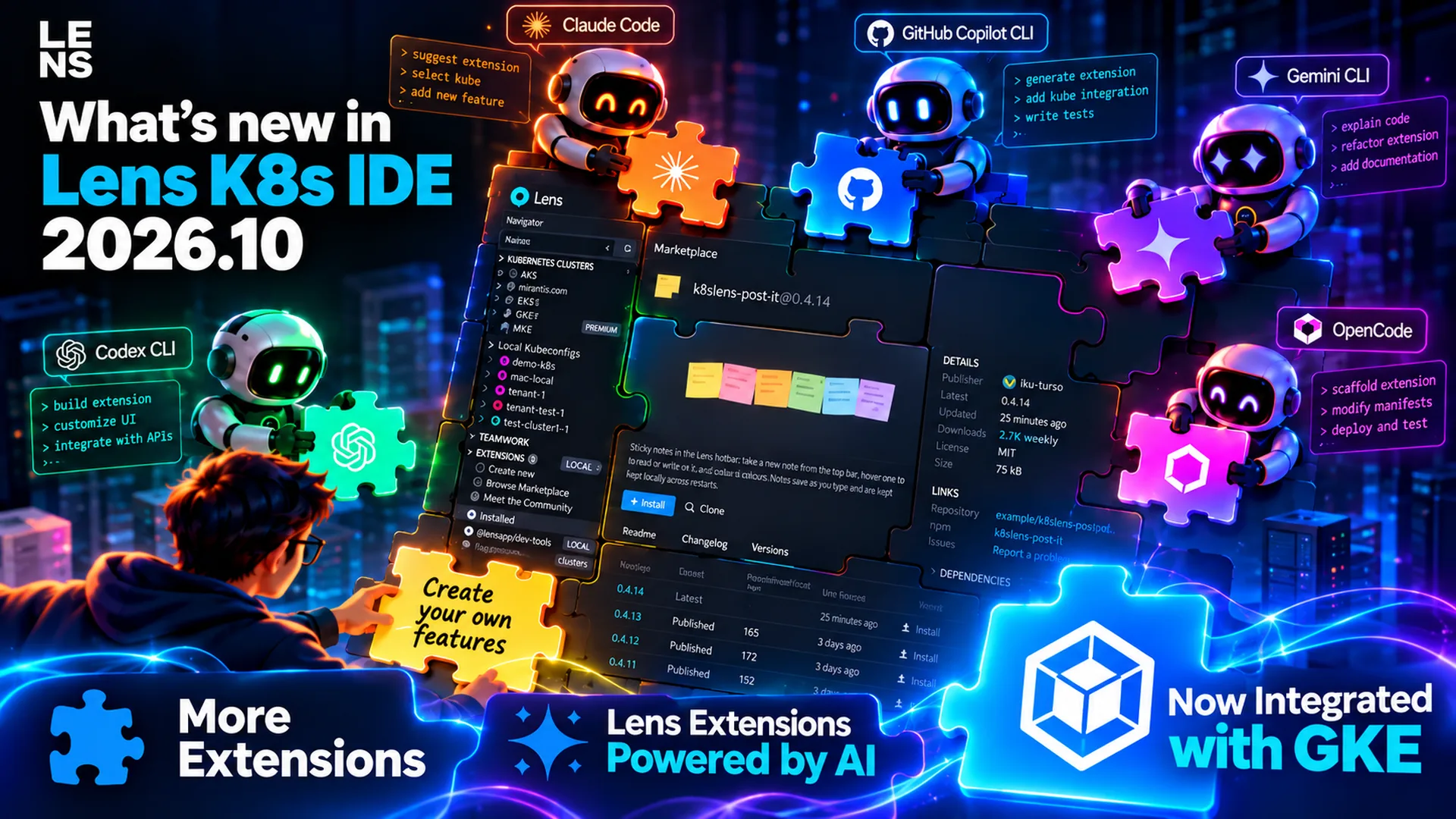
What's new in Lens K8S IDE 2026.10: AI-Built Extensions
Create Lens extensions without coding: describe the one you need and your AI tool writes it. Install the most requested features from the new Extension Marketplace.
Yalton Ruiz6 min read
Blog
News, product releases, and deep dives from Team Lens.
Create Lens extensions without coding: describe the one you need and your AI tool writes it. Install the most requested features from the new Extension Marketplace.
Yalton Ruiz6 min read
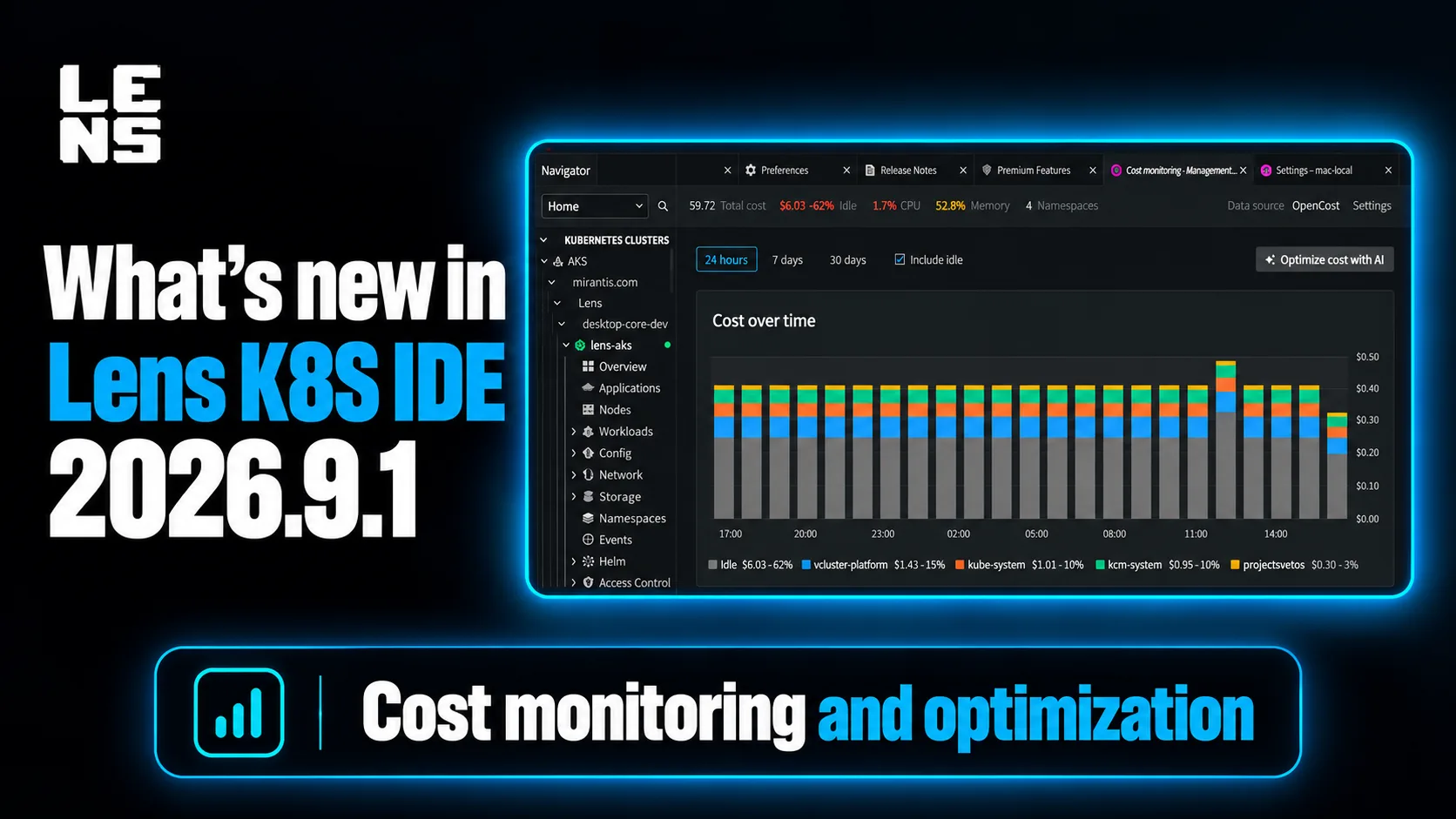
Cost Monitoring breaks cluster spend down per namespace with nothing installed on the cluster, plus VictoriaMetrics auto-detection and Azure Government support.
Yalton Ruiz4 min read
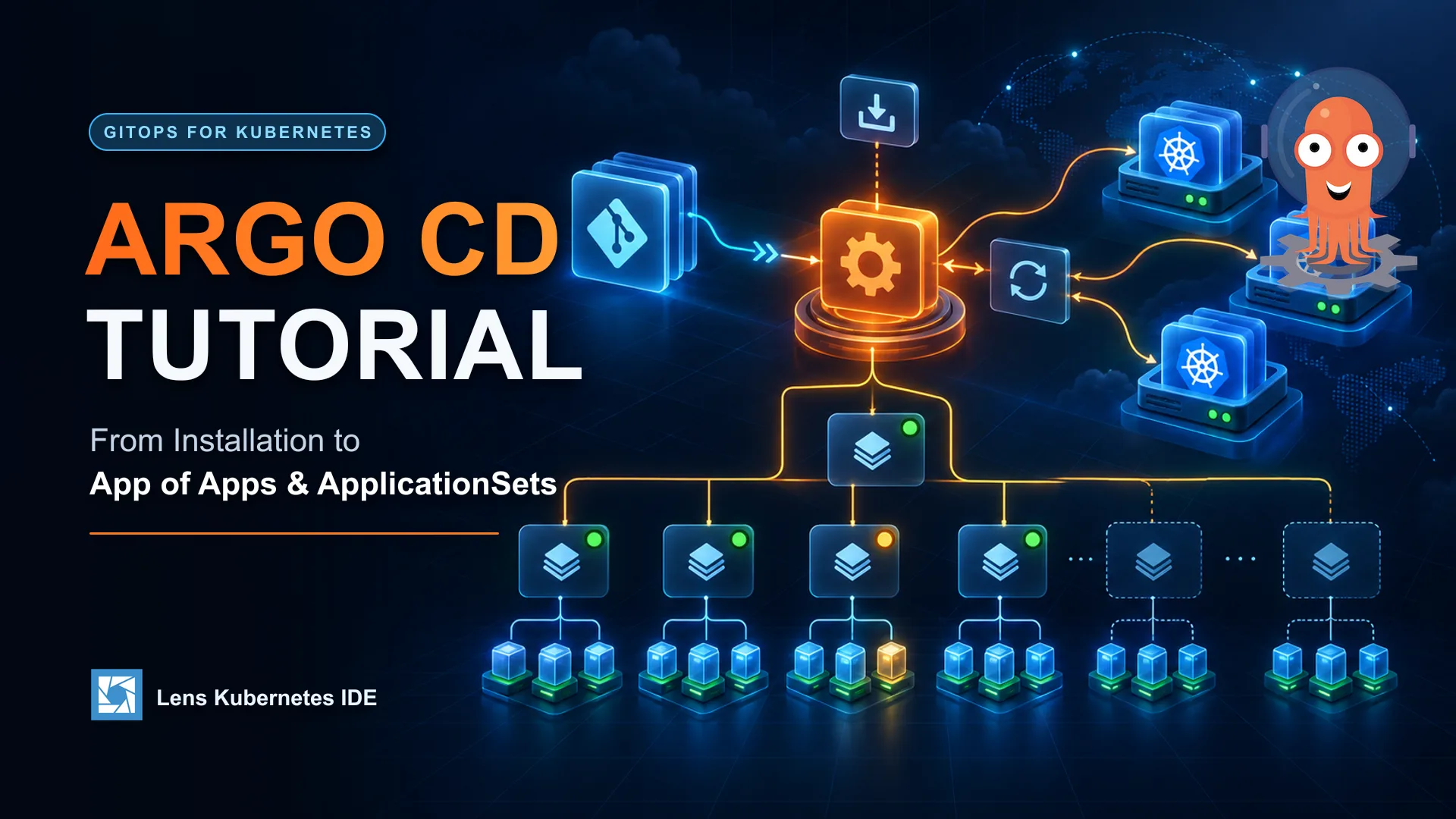
Install Argo CD, deploy real applications with the app of apps pattern, and scale your GitOps setup with ApplicationSets — plus Argo CD support in Lens.
Flavius Dinu10 min read
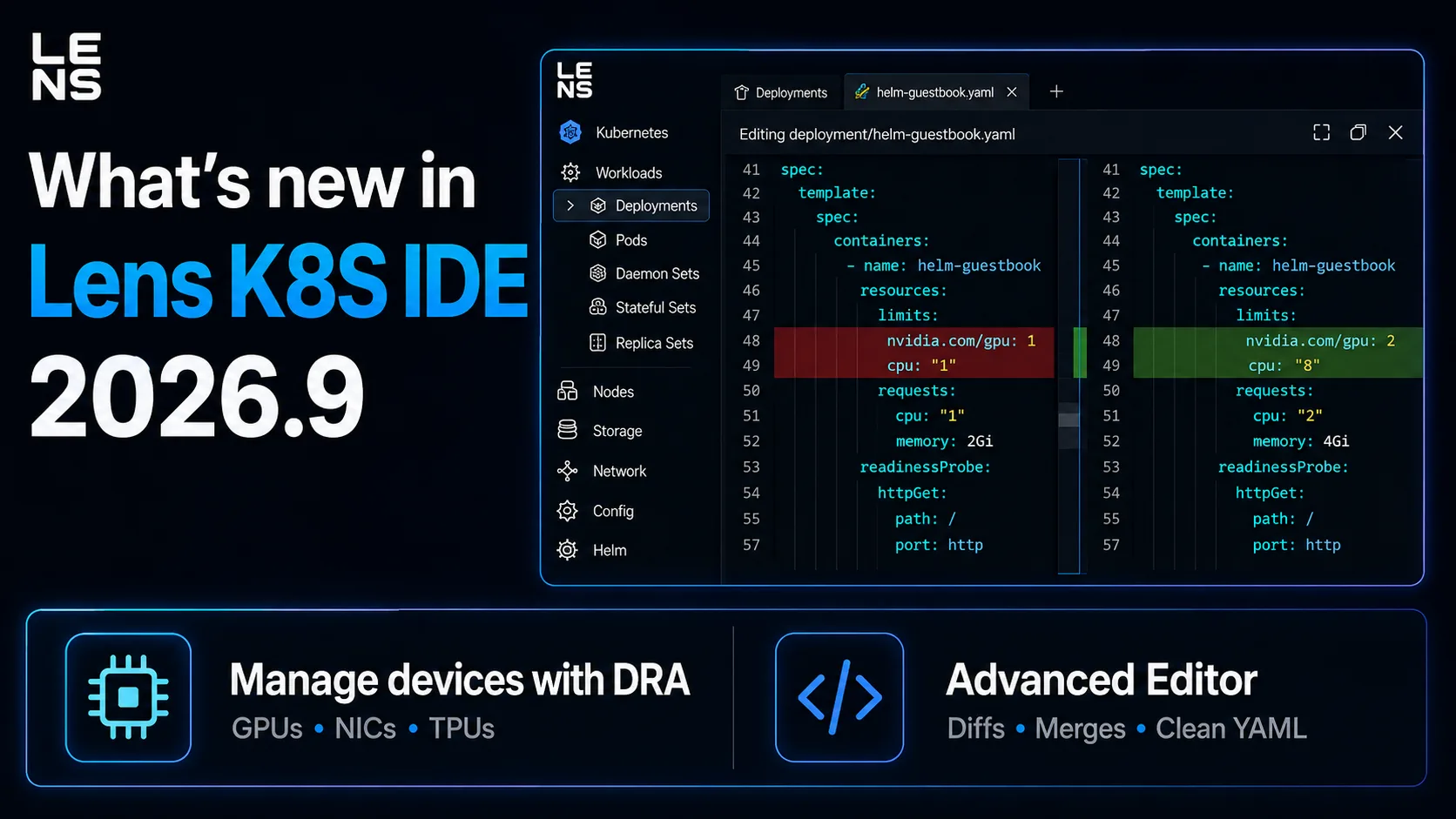
Lens K8S IDE 2026.9 brings Kubernetes DRA to the navigator for managing devices like GPUs and NICs, plus an advanced editor for editing YAML manifests.
Yalton Ruiz4 min read
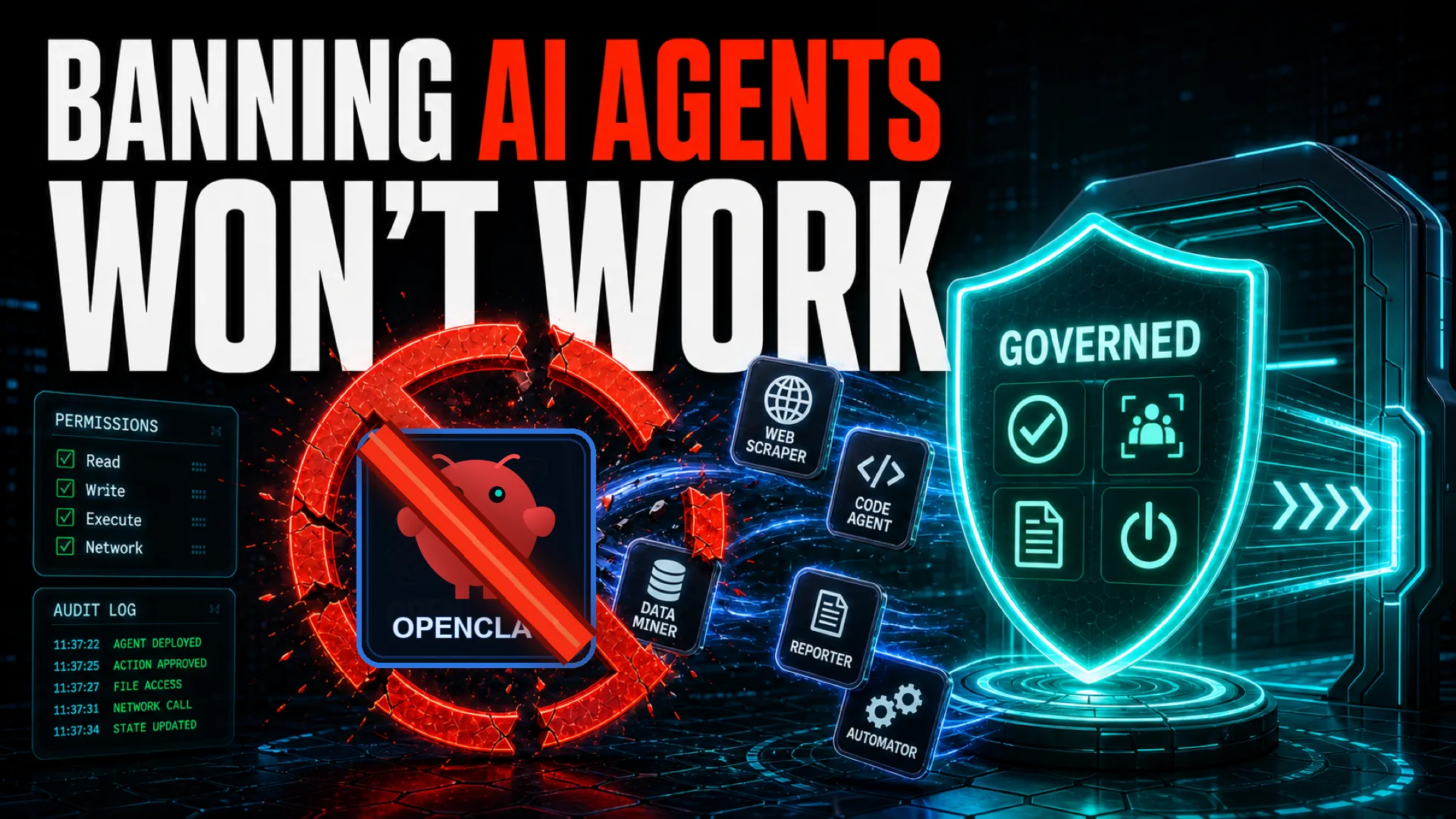
OpenClaw hit 500,000 exposed instances and got banned everywhere. The demand didn't disappear, it migrated. Here's how to govern agents instead.
Flavius Dinu10 min read
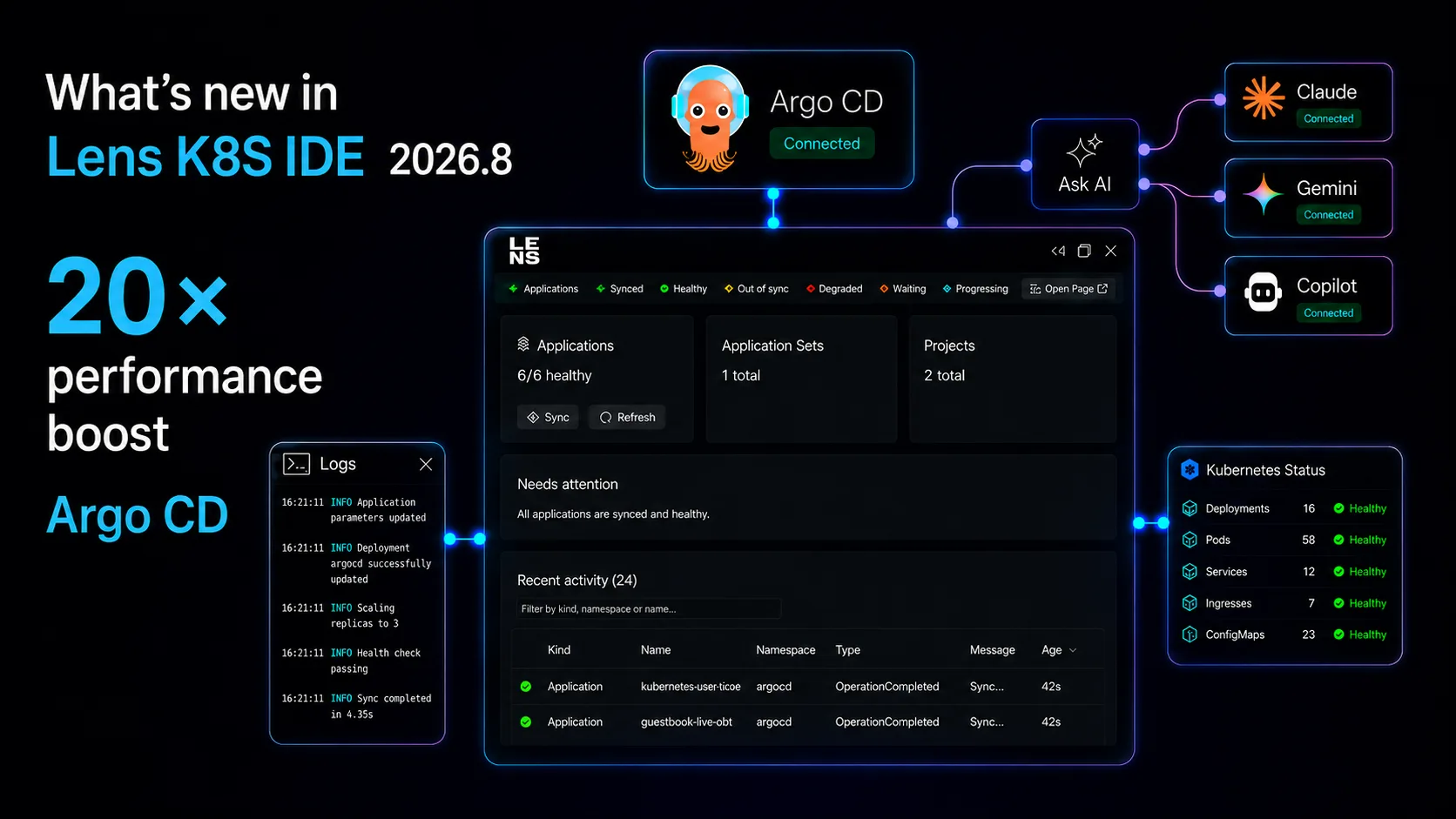
Lens K8S IDE 2026.8 is up to 20× faster on large clusters and brings Argo CD GitOps into the navigator, with one-click Sync, Refresh, and Ask AI.
Yalton Ruiz2 min read

Hermes Agent runs autonomously with your credentials. Harden it in six steps: identity, default-deny egress, credential isolation, containment, and audit.
Flavius Dinu9 min read
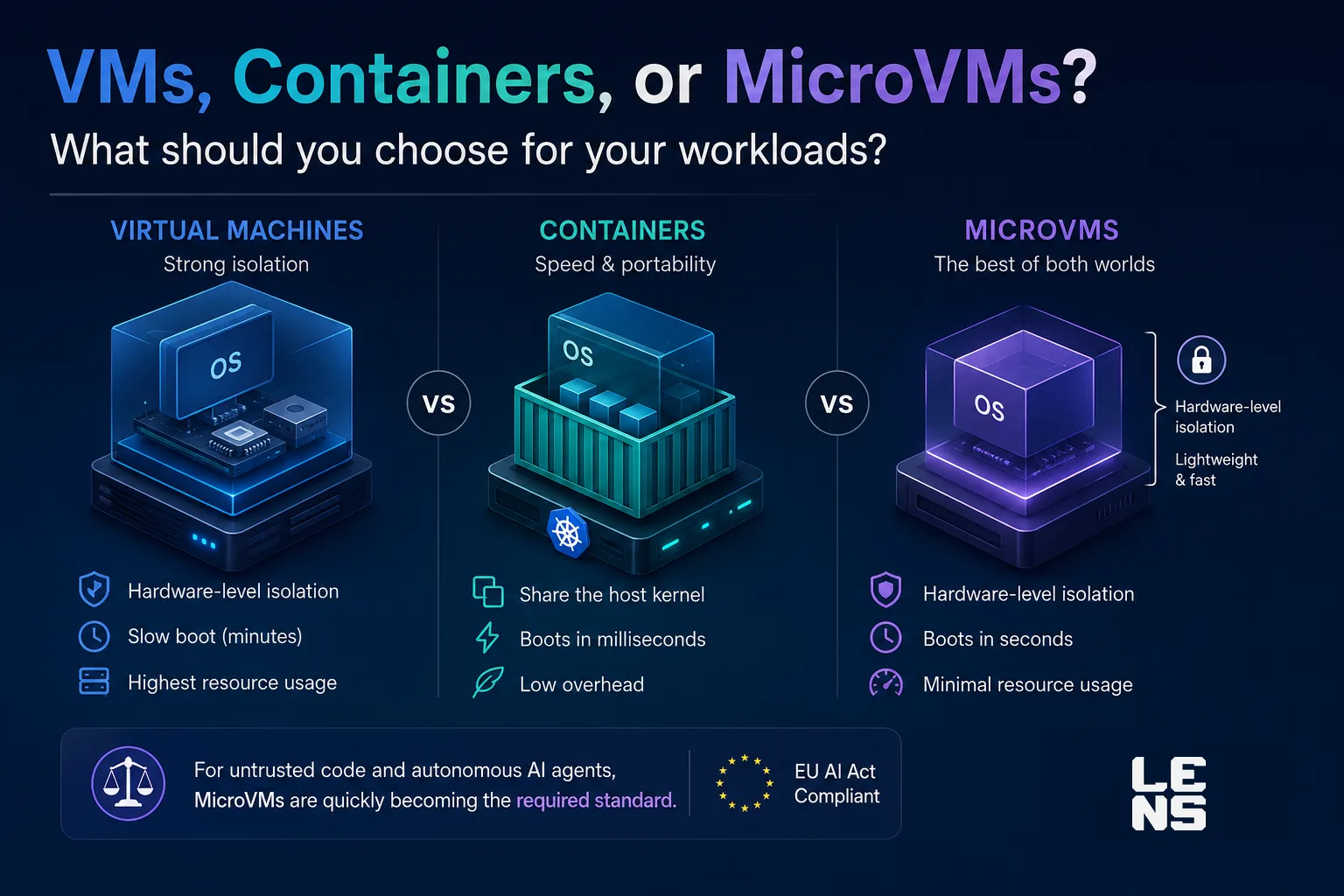
VMs, containers, and MicroVMs each trade isolation for speed differently. Learn how each works, when to use them, and why MicroVMs are the new standard for untrusted code and AI agent workloads.
Flavius Dinu8 min read
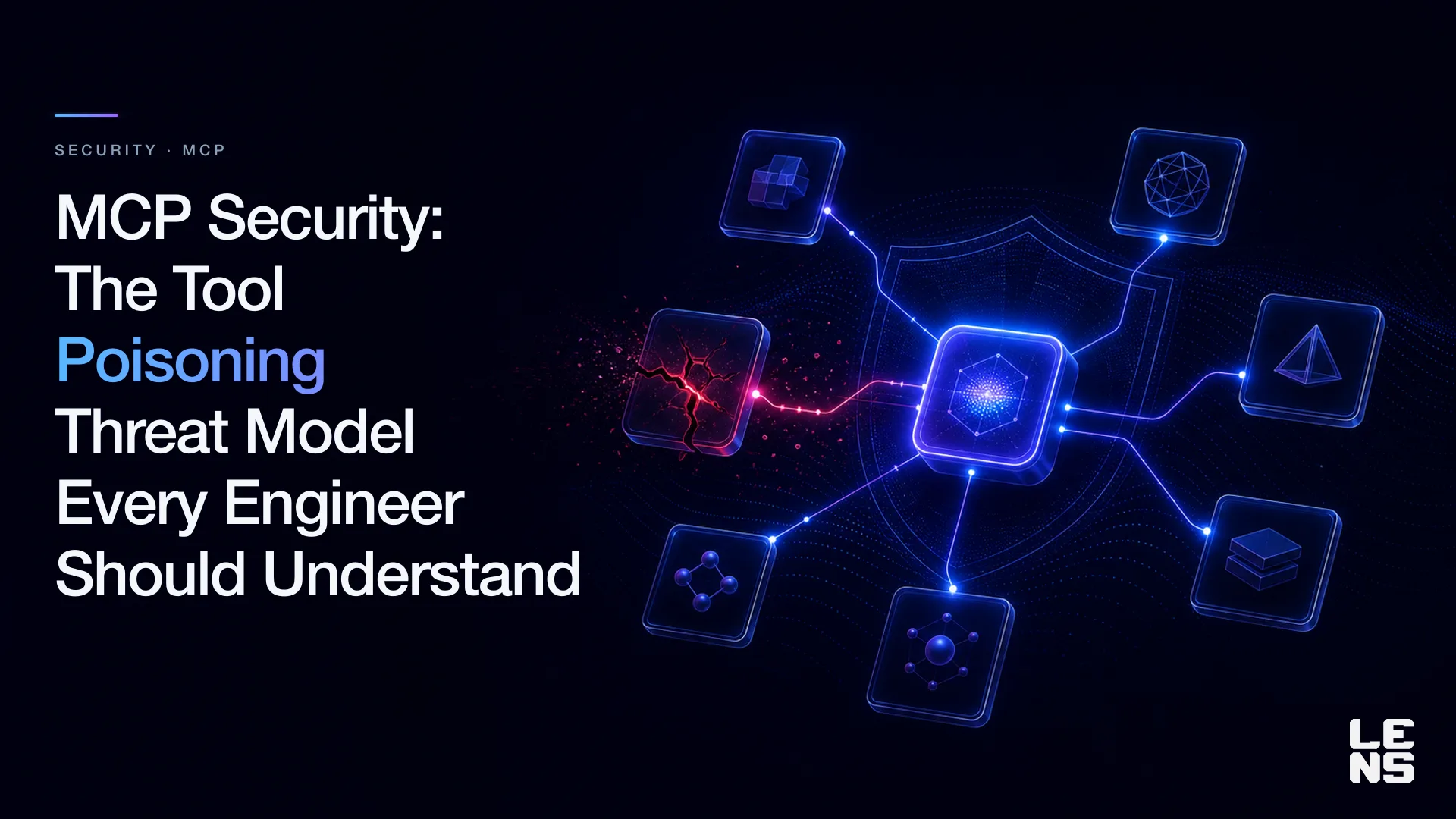
Every MCP server you connect to sends information to your model's context, and the model treats descriptions as trusted developer instructions. Tool poisoning hides malicious orders in the metadata, so a simple function can exfiltrate credentials, while still returning the right answer.
Flavius Dinu11 min read
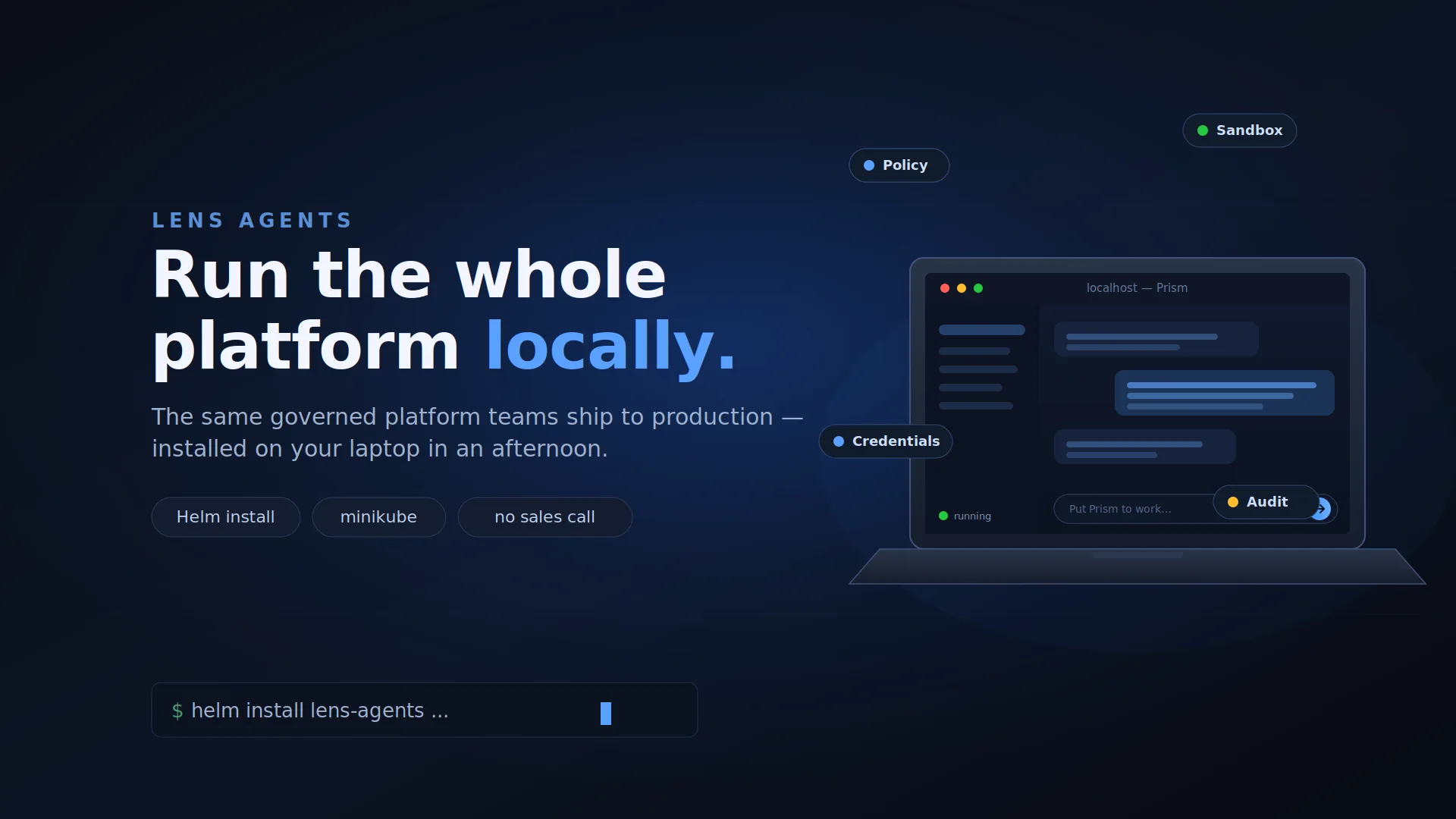
Until now, seeing Lens Agents meant talking to us. That is the right call for a platform built for production and enterprise governance — but it's a slow way to answer the most basic question a builder has: what does this actually do?
Mario Sarcher3 min read
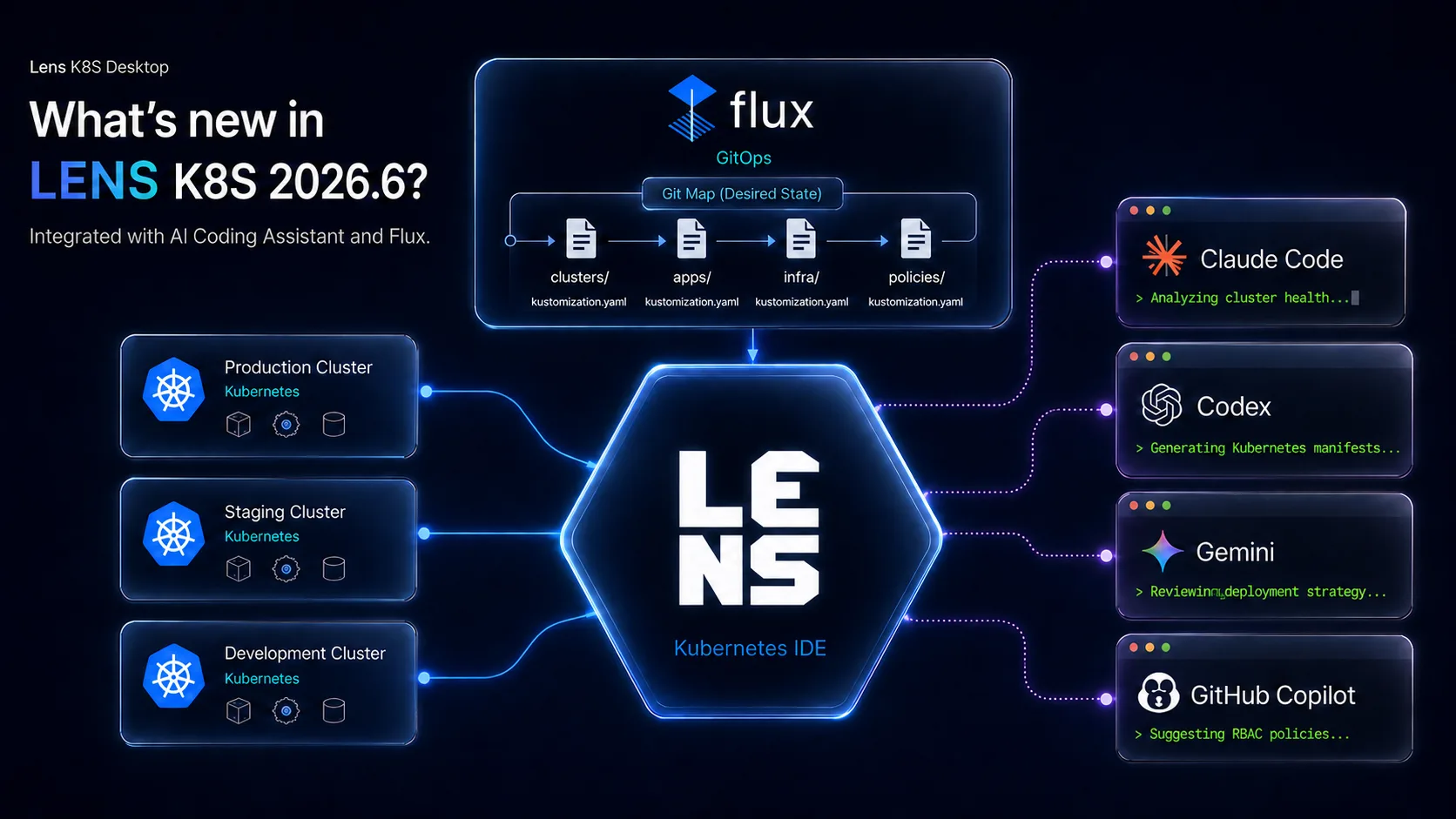
Lens Prism has evolved: You can run the AI agent you already use, Claude Code, Codex, GitHub Copilot CLI, or Gemini CLI, right inside Lens, without needing to bring your own API key.
Yalton Ruiz5 min read
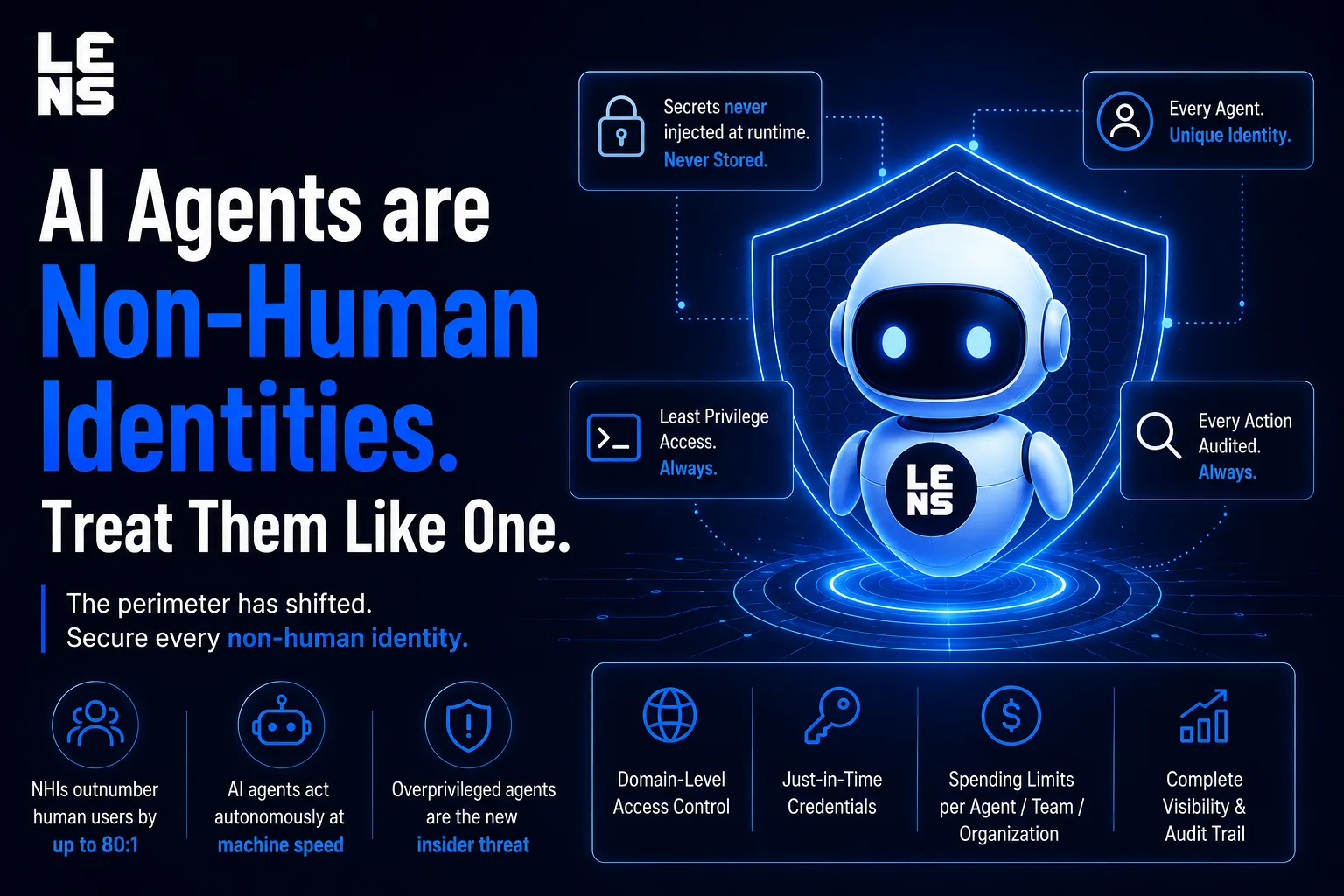
Non-Human Identities now significantly outnumber human users, making AI agent governance a critical security priority. This article explains how to treat AI agents as enterprise identities with proper credential management and access controls.
Flavius Dinu9 min read
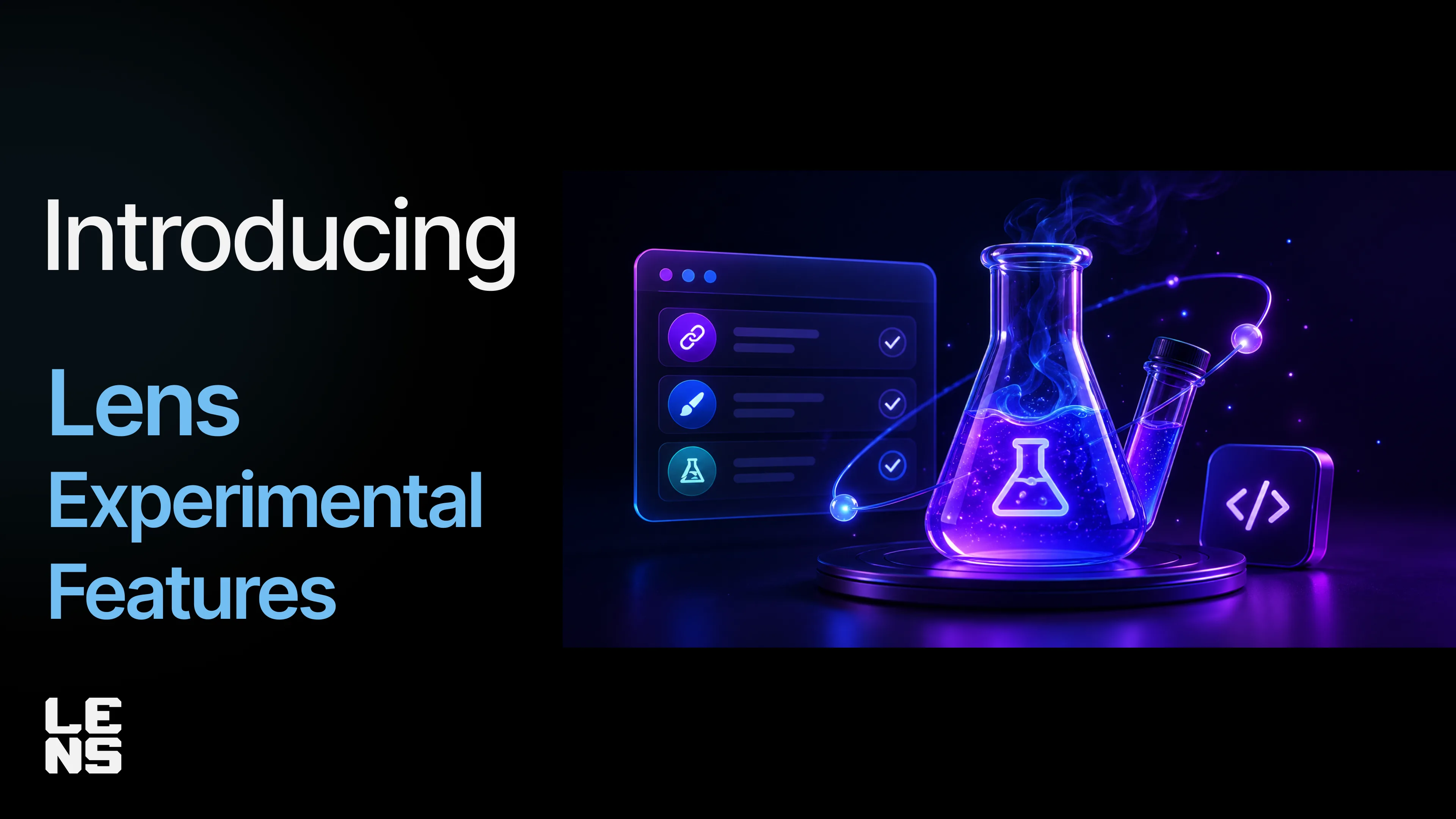
Lens Experimental Features let you try out new functionality that is still in development, a new opt-in delivery mechanism that ships features to Lens Kubernetes IDE outside of the normal release cycles.
Flavius Dinu4 min read
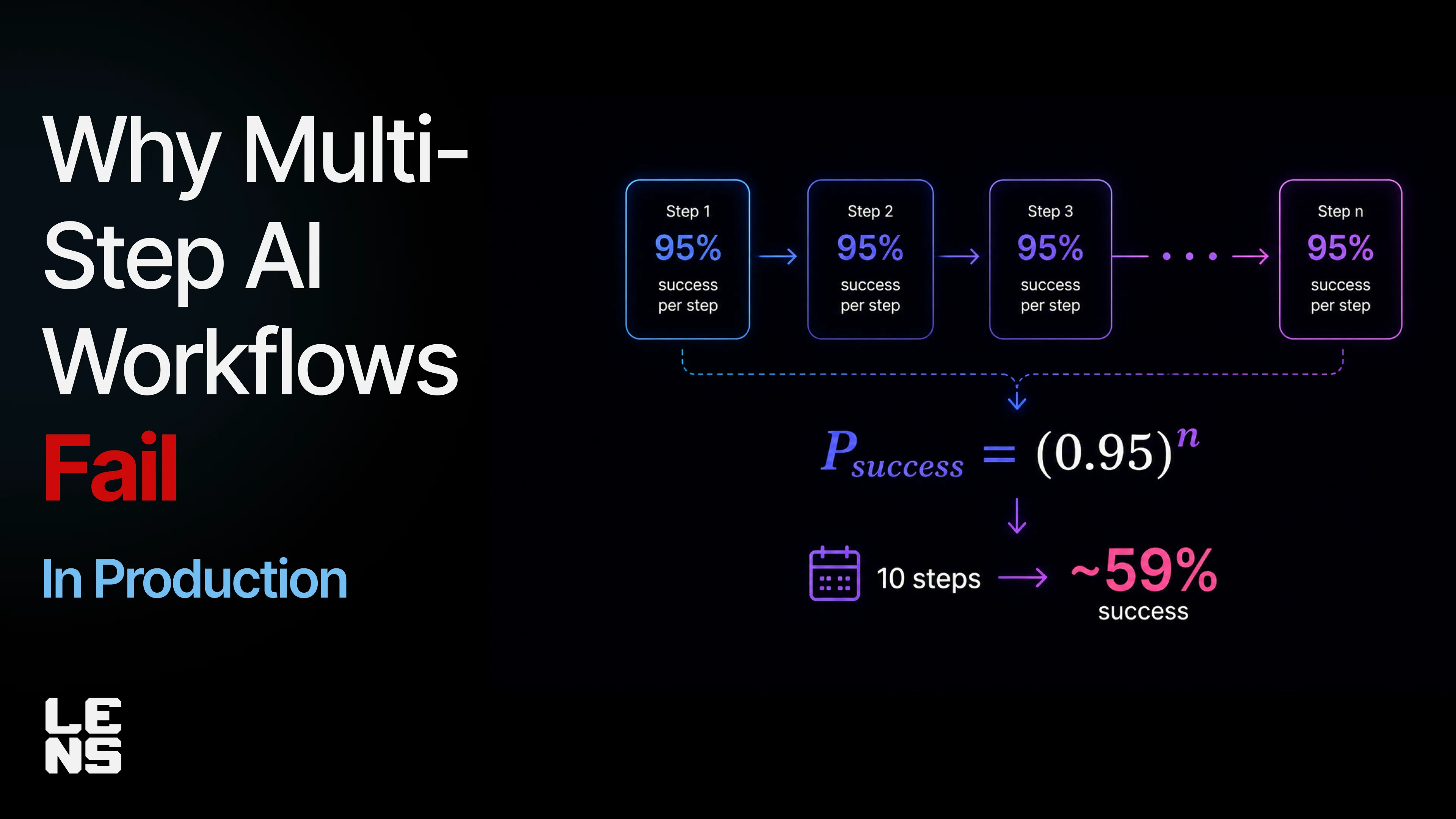
Agent reliability compounds: 95% per-step accuracy gives only ~60% success over 10 steps and 36% over 20 steps. This post explains why multi-step AI agents fail in production despite working in demos.
Flavius Dinu5 min read
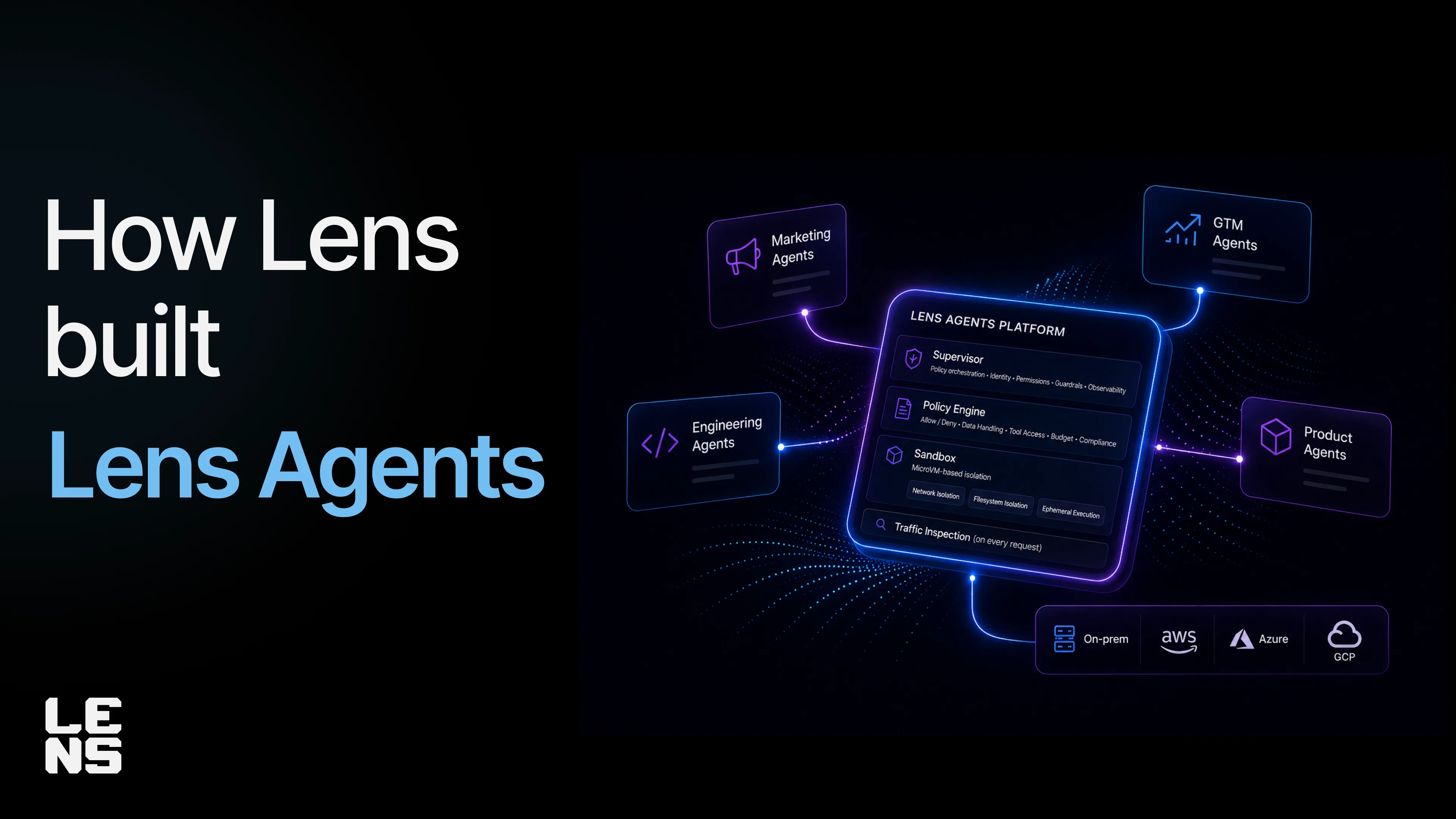
Lens Agents was built for internal use first, with Lens becoming its own initial customer before launching externally. The platform uses a microVM-based sandbox with policy-driven oversight to govern autonomous AI agents across operations.
Flavius Dinu8 min read
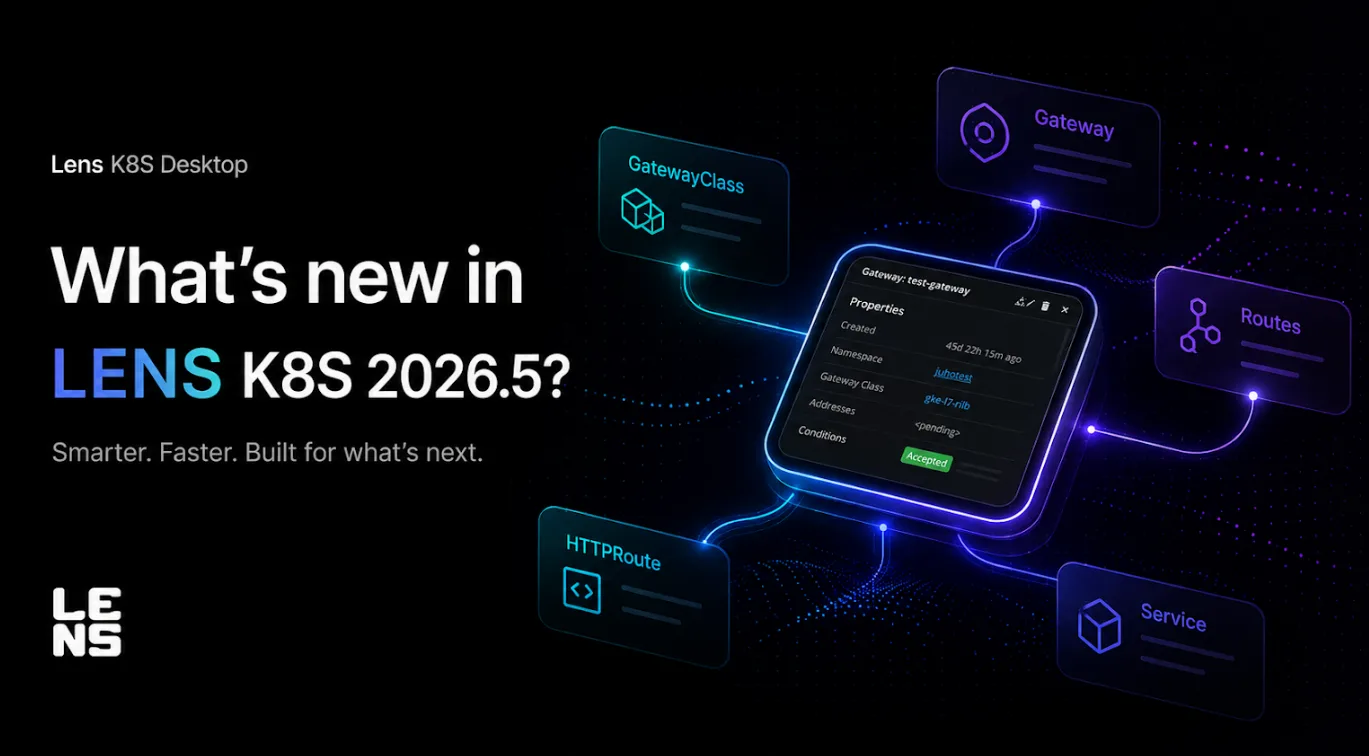
Lens Desktop 2026.5 comes equipped with Navigator support for the Kubernetes Gateway API, support for Kubernetes Admission Policies, and Premium Features dashboard updates for the Lens Plus trial.
Yalton Ruiz5 min read
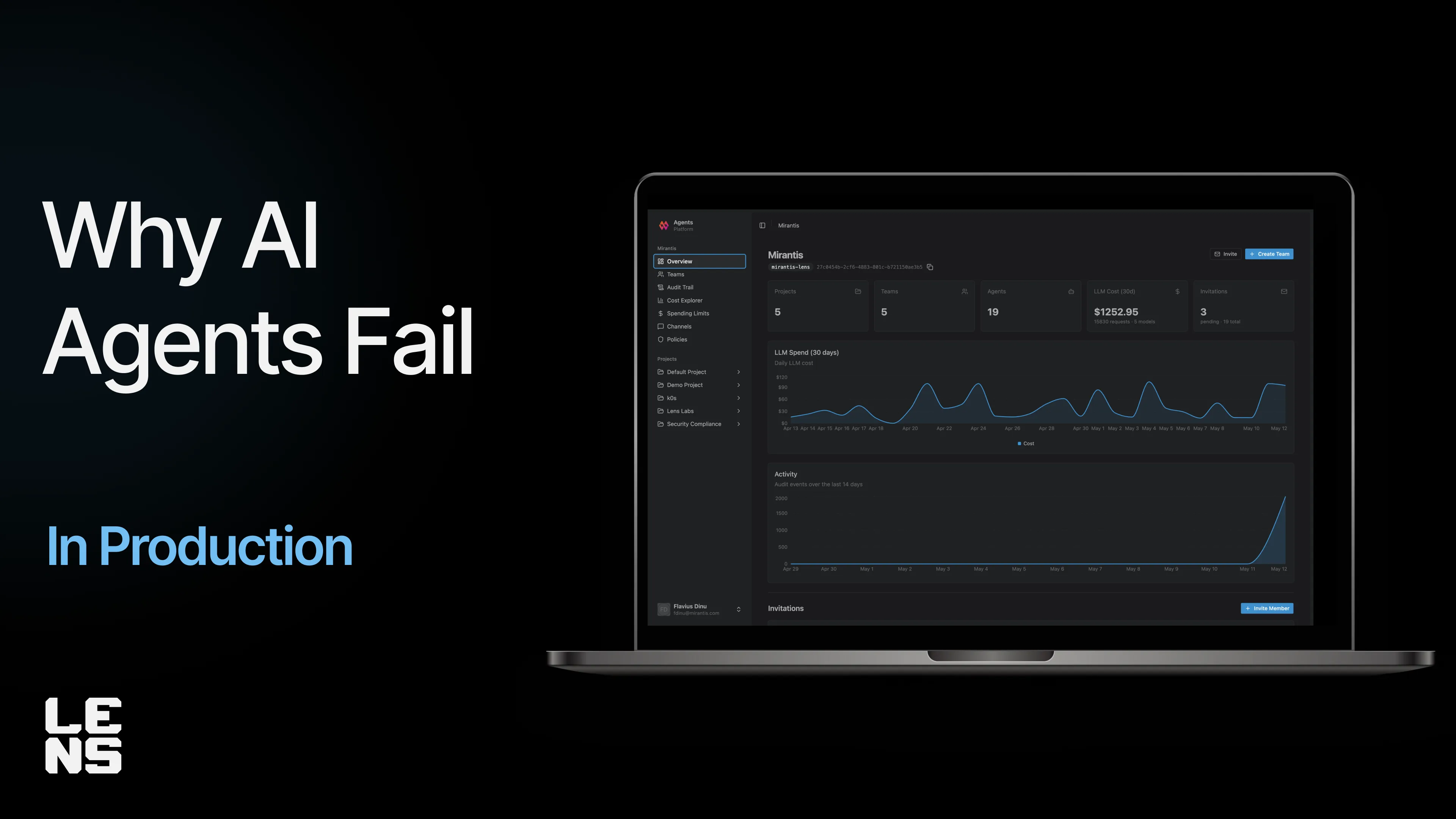
Most AI agents fail in production because of multiple reasons: no governance implemented, poor context management, fragile tool connectors, and compounding errors across multi-step workflows.
Flavius Dinu10 min read
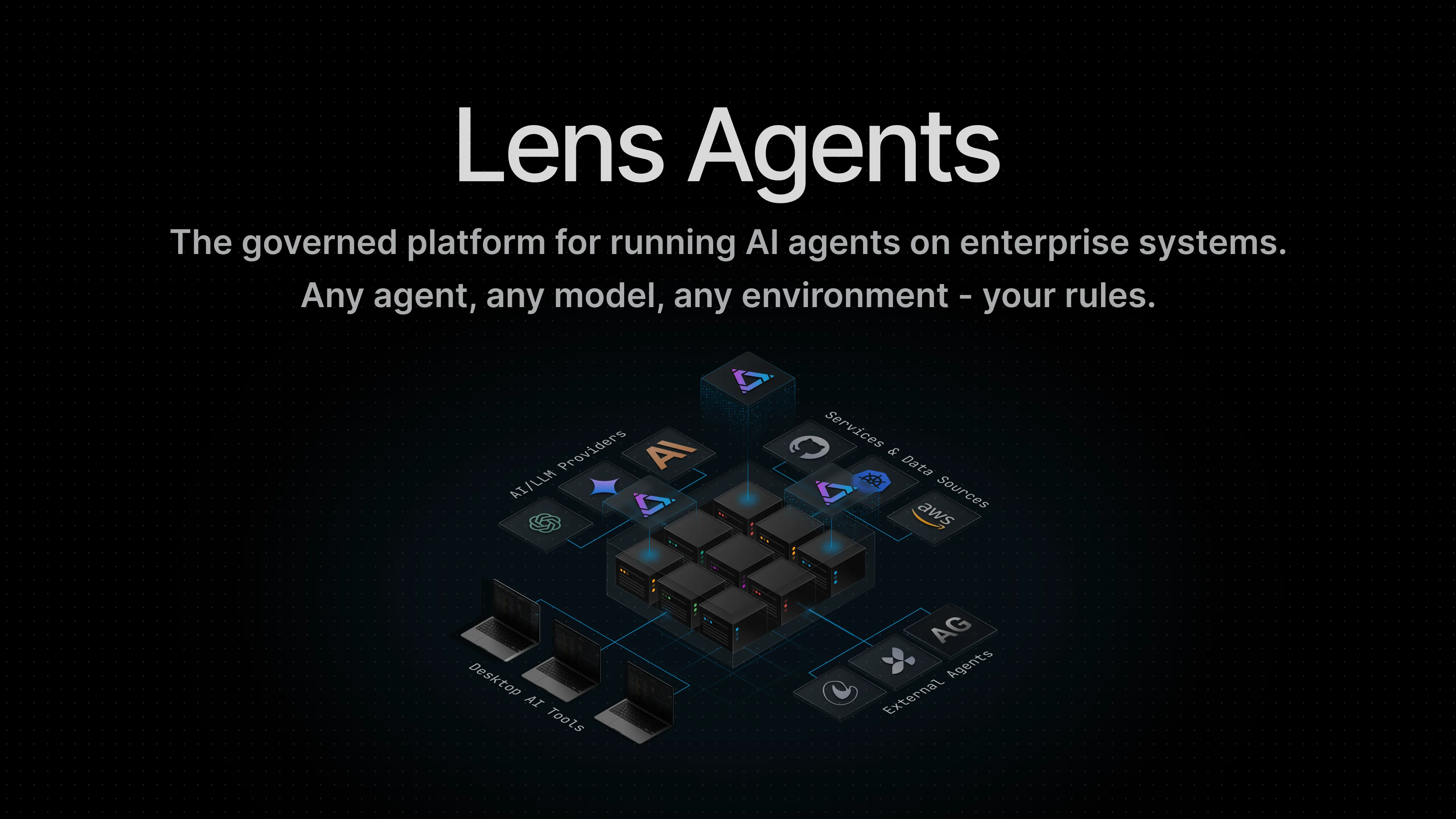
Today we're introducing Lens Agents, the governed platform for running AI agents on enterprise systems: any agent, any model, any environment, your rules.
Miska Kaipiainen7 min read
Platform engineering transforms internal infrastructure into a product for developers. Internal Developer Platforms abstract Kubernetes complexity through self-service portals and automated governance, with Gartner projecting 80% of large enterprises will have dedicated platform teams by 2026.
Flavius Dinu7 min read
GitOps uses your version control system (VCS) as the single source of truth for your deployments. In Kubernetes, it uses an in-cluster agent that continuously reconciles the desired and actual state.
Flavius Dinu11 min read
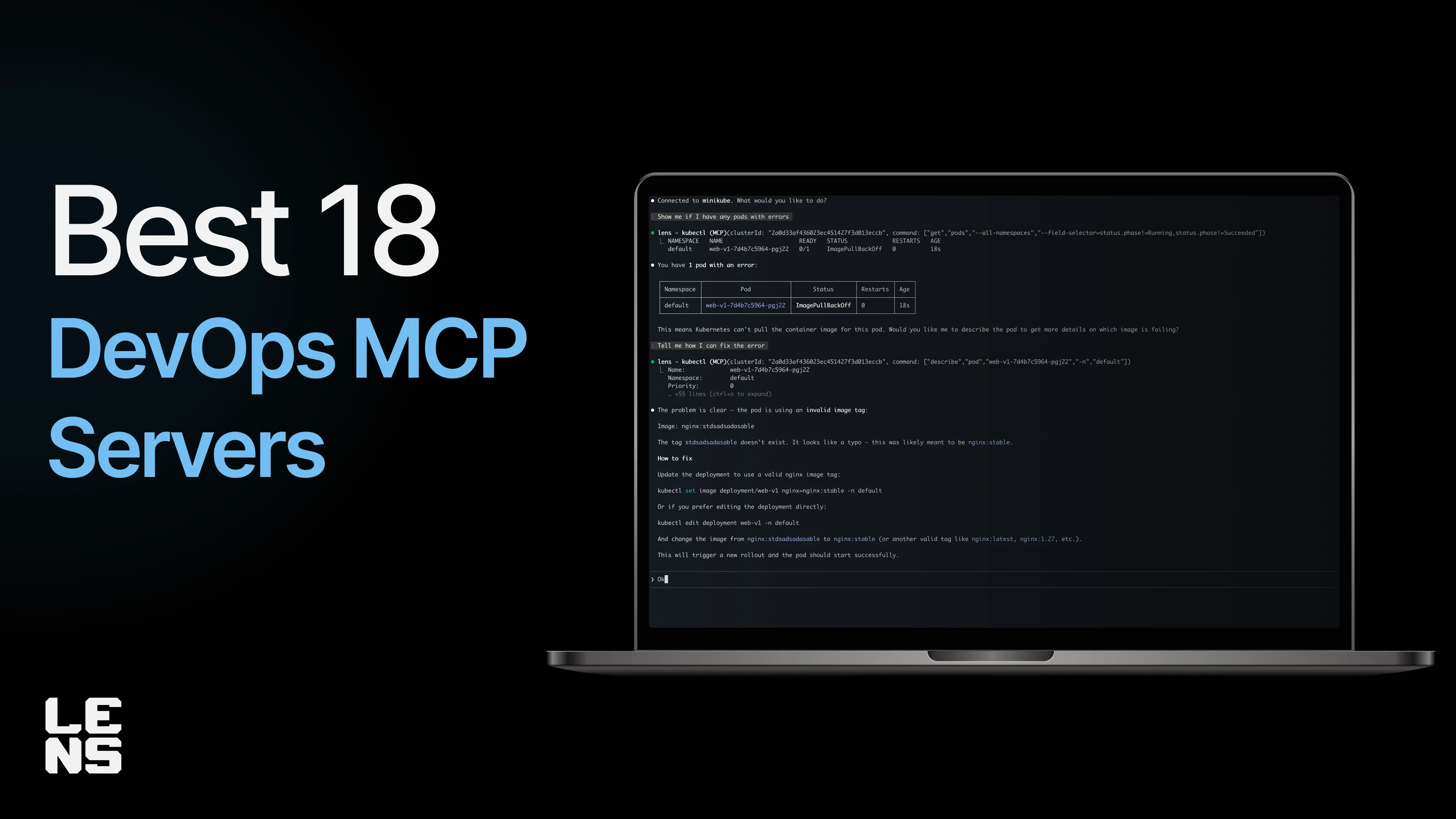
Model Context Protocol (MCP) is the open standard introduced by Anthropic at the end of 2024, which lets AI agents use different tools using natural language. This article covers 18 relevant MCP servers across DevOps categories.
Flavius Dinu8 min read
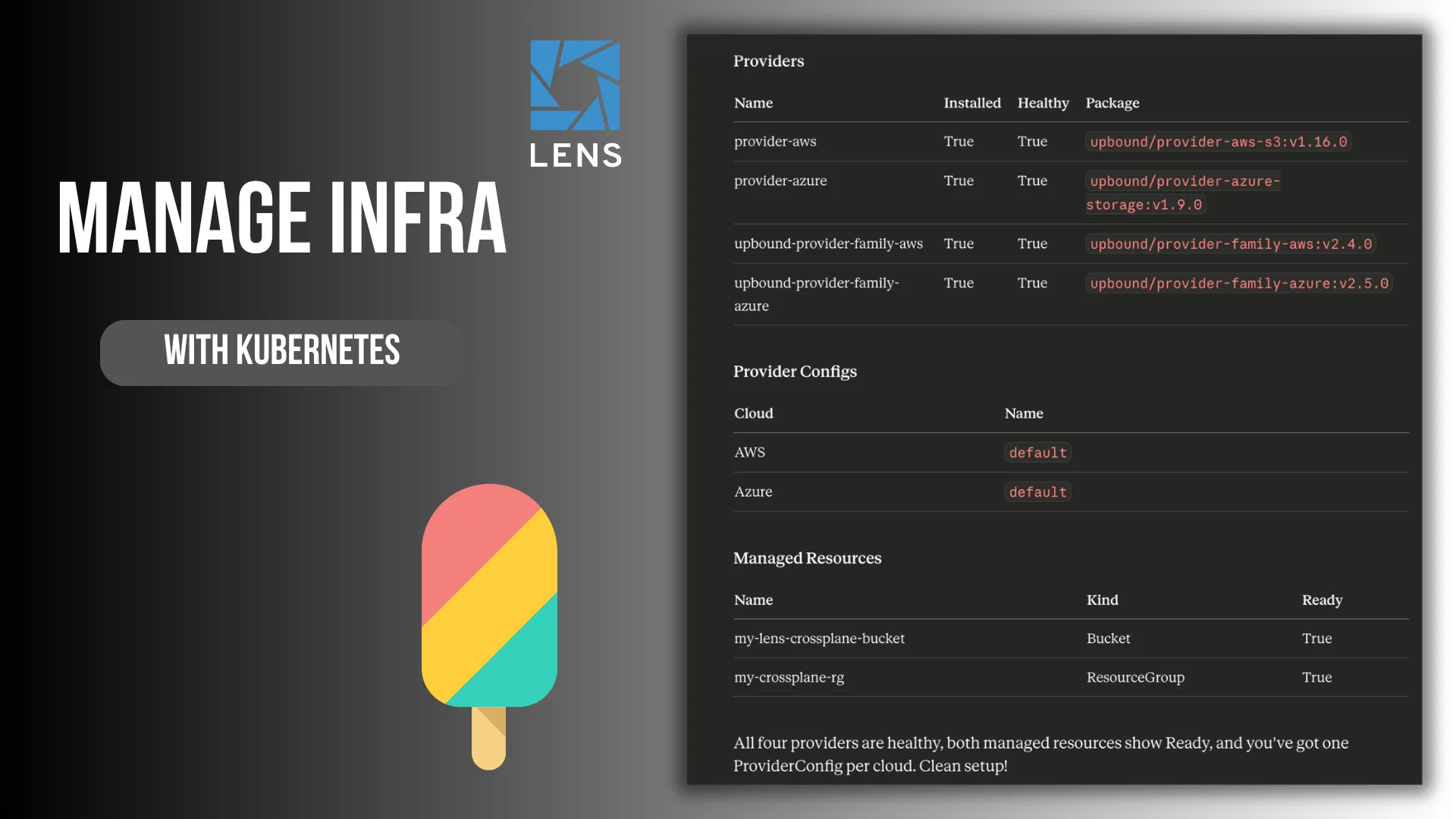
Managing multi-cloud infrastructure has traditionally been associated with Terraform, its open-source alternative OpenTofu, Pulumi, or a mix of vendor-specific infrastructure as code (IaC) tools such as AWS CloudFormation or Azure Bicep.
Flavius Dinu8 min read
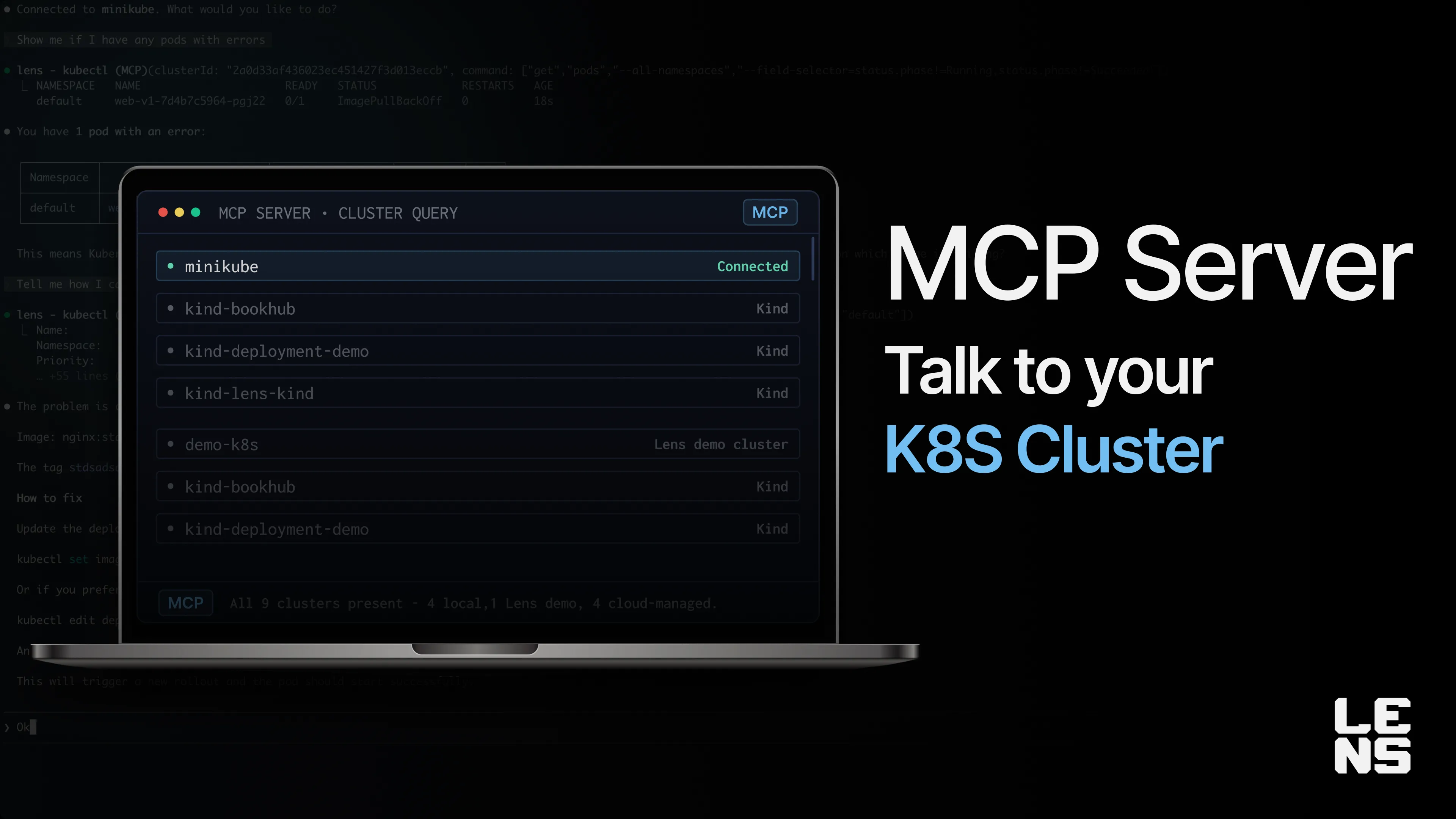
Lens Kubernetes IDE now offers its own MCP server that makes it easy for AI assistants to communicate with the Kubernetes clusters you have added in Lens K8s.
Flavius Dinu6 min read
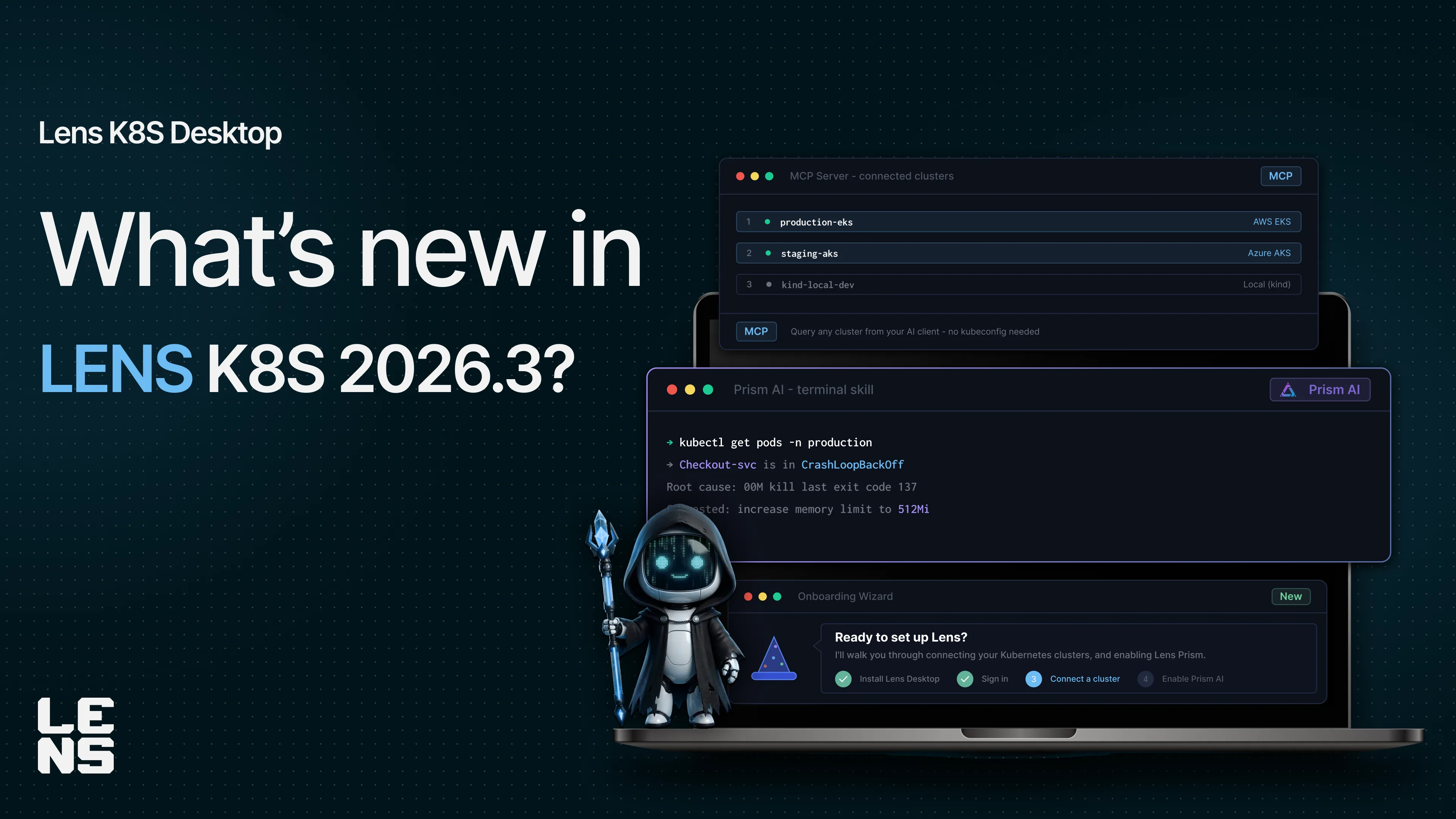
AI is reshaping how we manage our Kubernetes clusters, and Lens K8s IDE is here to help. This release brings deeper AI integration with a new MCP Server, an upgraded Lens Prism that can act on your behalf, and tools to get new users productive from day one.
Flavius Dinu4 min read
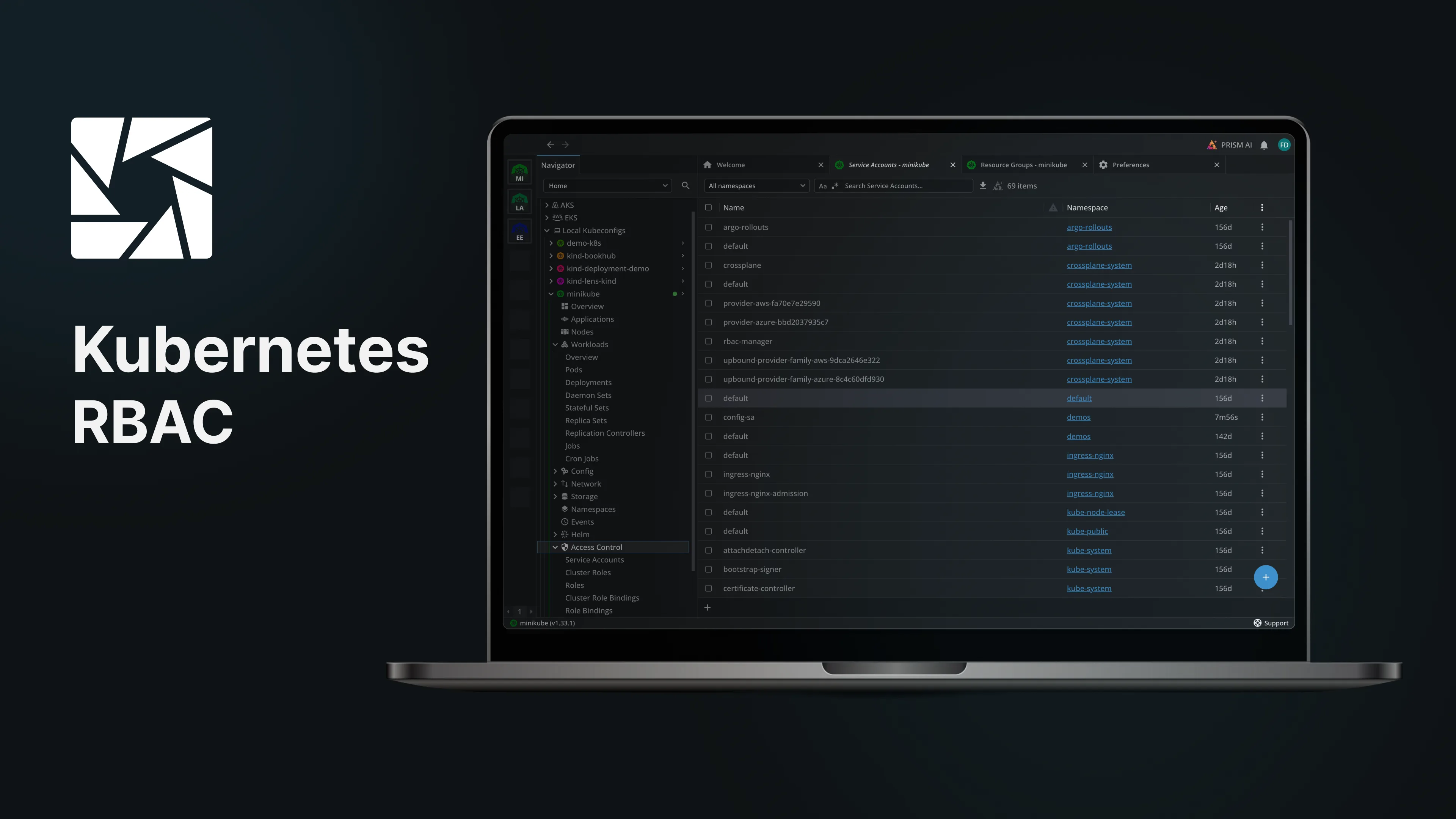
RBAC in Kubernetes is the authorization layer that decides if an API request succeeds or fails. Without least-privilege implementation, a single compromised account can access an entire cluster.
Flavius Dinu8 min read
Operations engineers and developers face recurring challenges managing Kubernetes clusters through manual kubeconfig configuration and troubleshooting. Lens Premium features help address this complexity at scale.
Yalton Ruiz4 min read
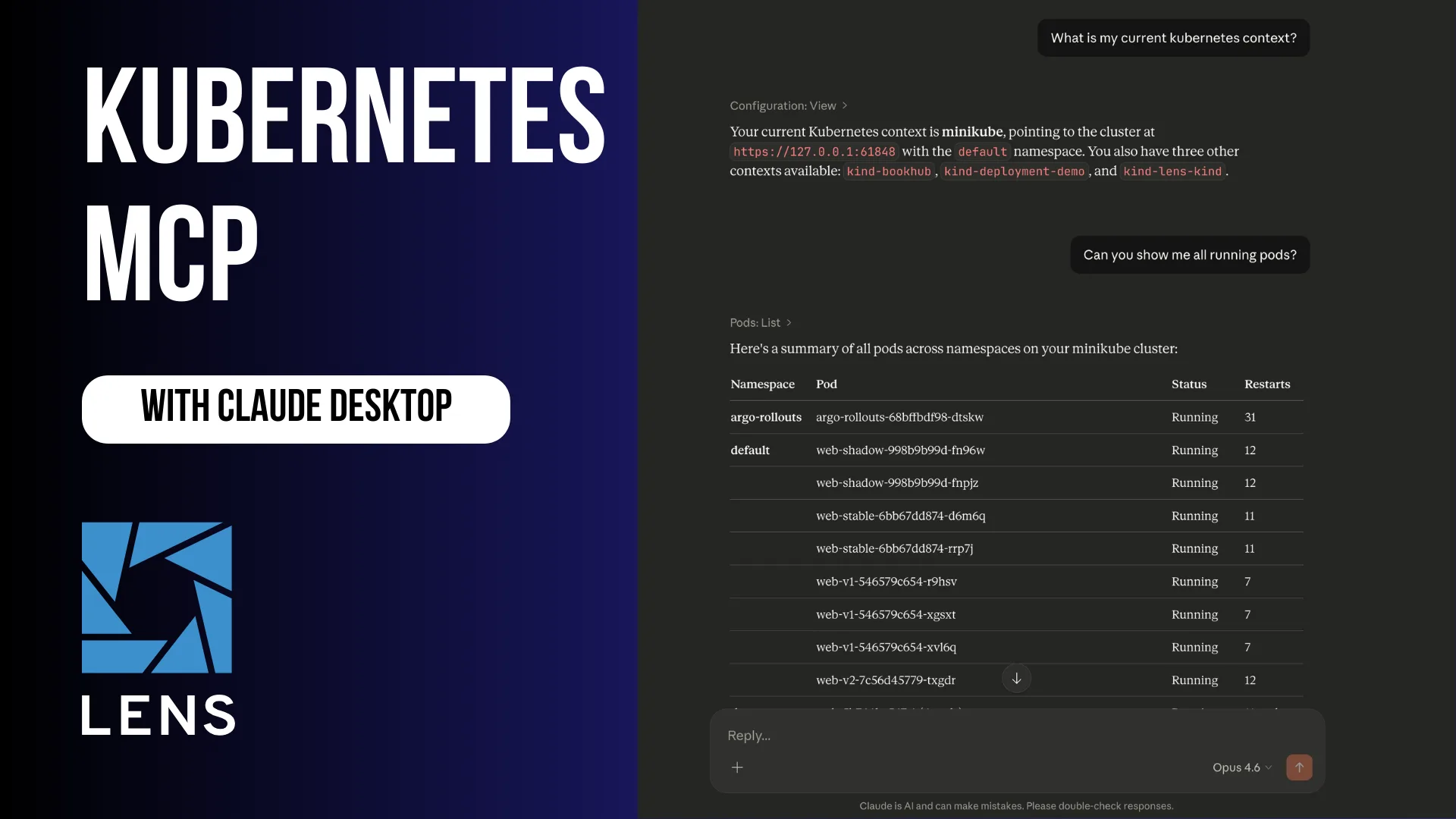
The Model Context Protocol enables Claude Desktop to connect directly to Kubernetes clusters for natural language management of pods, deployments, and services without memorizing kubectl commands.
Flavius Dinu6 min read
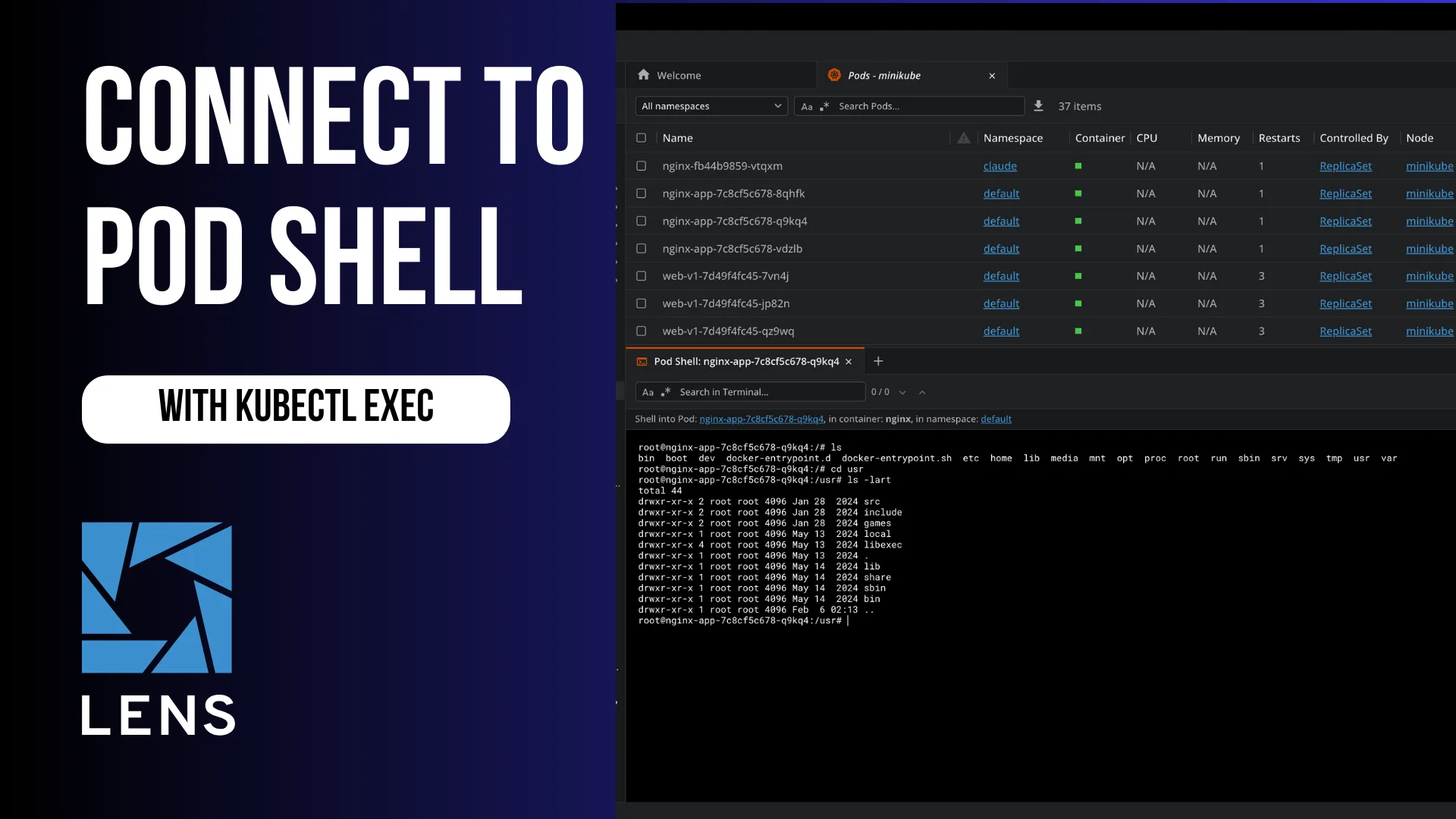
The kubectl exec command lets you run commands and open interactive shell sessions inside running containers in your Kubernetes pods. This article covers everything you need to know to connect to a Kubernetes pod shell and execute commands inside its running containers.
Flavius Dinu6 min read
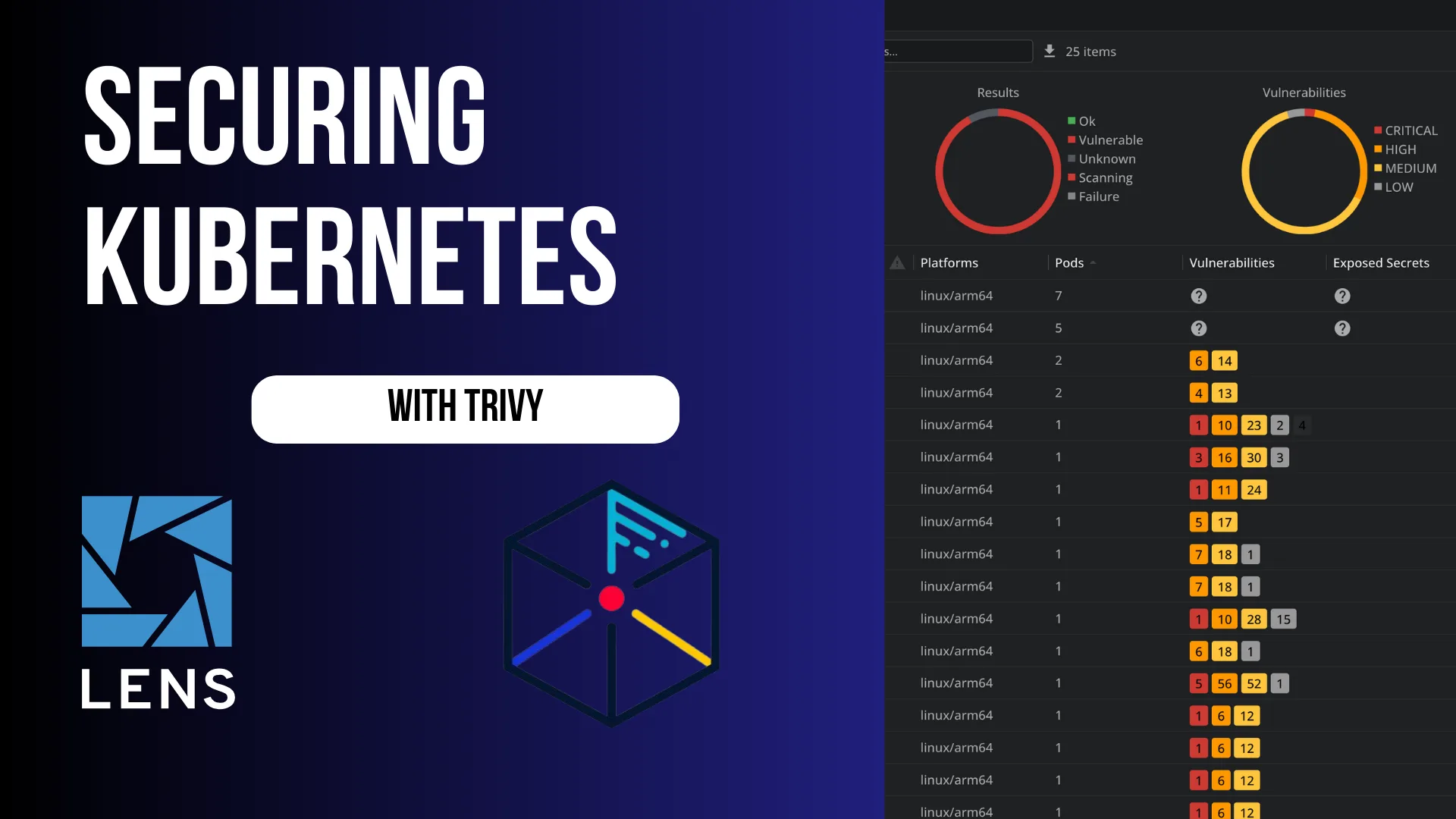
Every container image you deploy, configuration you apply, and dependency you include is a potential attack surface. This article explores Trivy, a popular open-source security scanner, with practical examples for the CLI, CI/CD pipelines, and Lens.
Flavius Dinu7 min read
One of the biggest challenges in cloud-native infrastructure is securing Kubernetes. Knowing which security tools to implement can be the difference between a hardened cluster and a vulnerable one.
Flavius Dinu6 min read
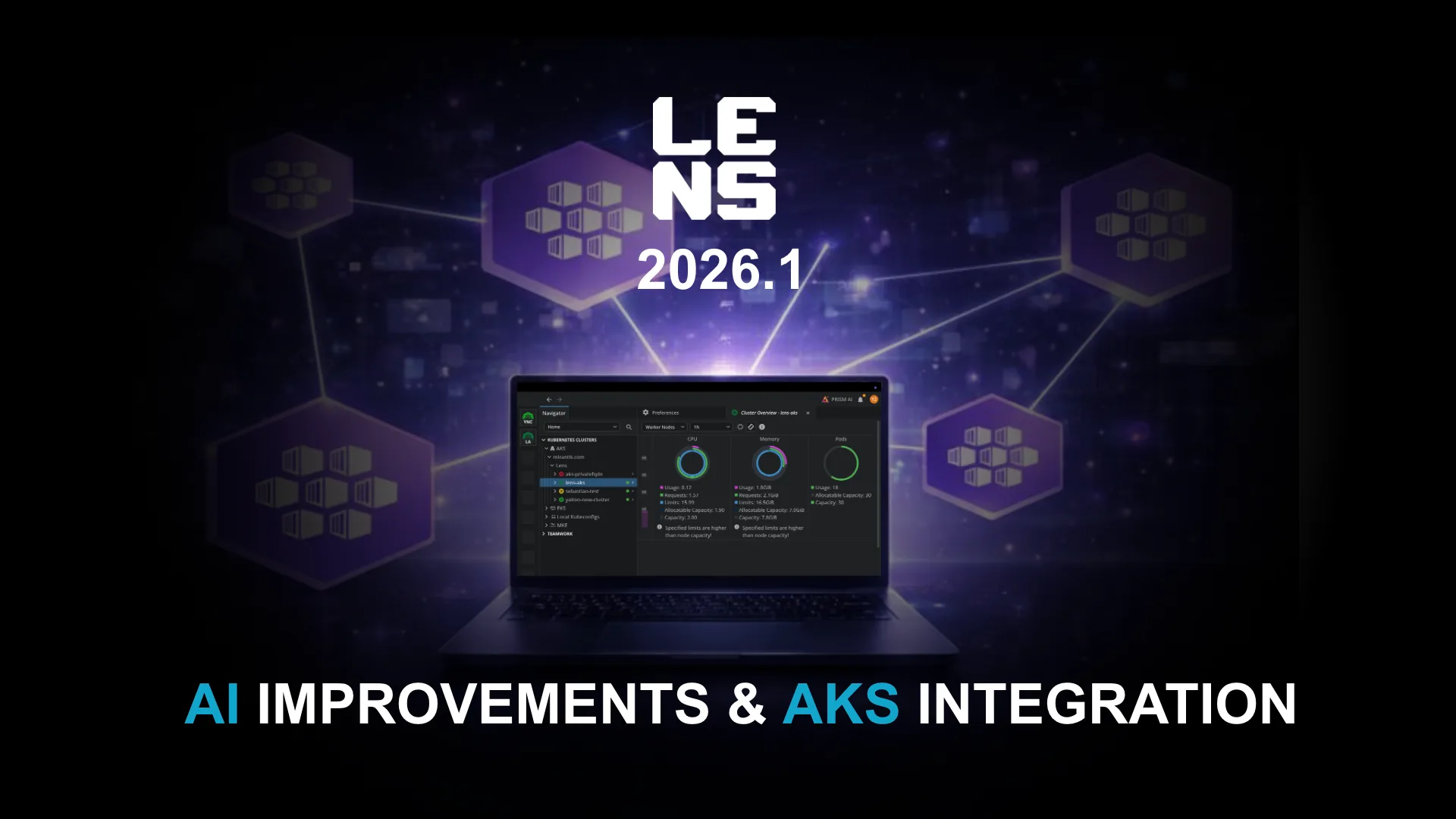
Lens Desktop 2026.1 has been released and is now available to download. It helps platform and DevOps teams operate Kubernetes more efficiently with native Azure AKS integration, Prism AI improvements, and UX updates.
Yalton Ruiz3 min read
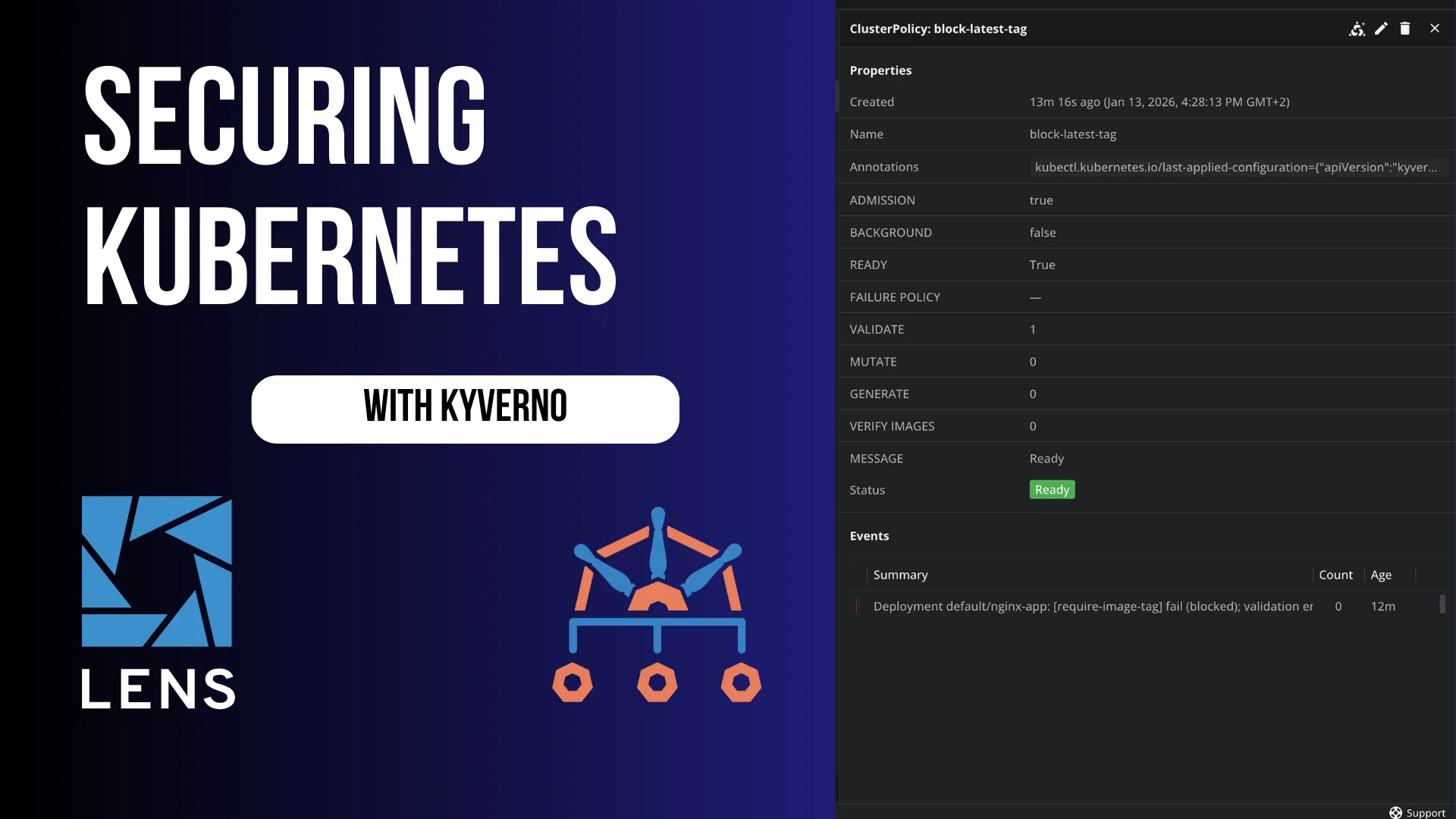
Kubernetes excels at container orchestration, but it doesn't natively enforce security best practices or organizational policies. Kyverno is a CNCF incubating project that enables your team to define, validate, and enforce policies across your Kubernetes projects.
Flavius Dinu8 min read
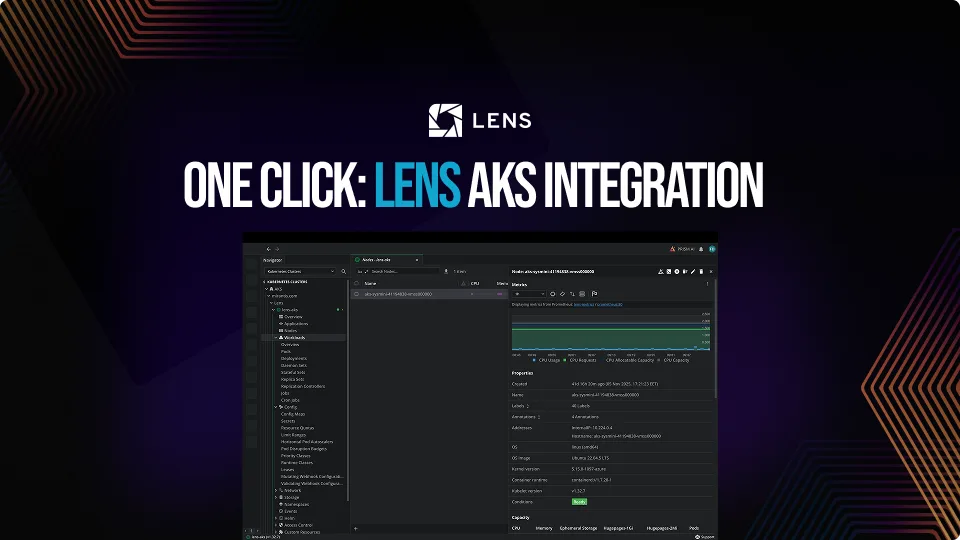
Lens Kubernetes IDE now offers one-click Azure AKS integration, allowing users to automatically discover and access all their AKS clusters without manual kubeconfig configuration, dramatically reducing setup time for managing multiple Kubernetes clusters.
Flavius Dinu4 min read
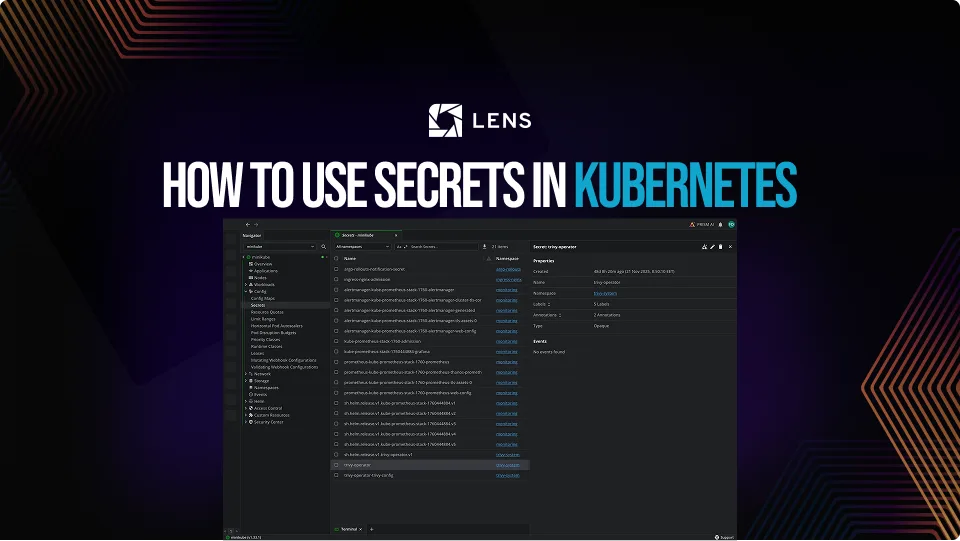
Hard-coding sensitive data in your applications makes it very easy for attackers to gain access to your systems and compromise them.
Flavius Dinu9 min read
The industry is converging on a new compute architecture with AI agents at the top, foundation models in the middle, Kubernetes underneath, and OpenTelemetry connecting the entire system. This synthesis explores how AWS, Azure, and Google Cloud are treating agents as production-grade operational entities rather than experimental features.
Miska Kaipiainen6 min read
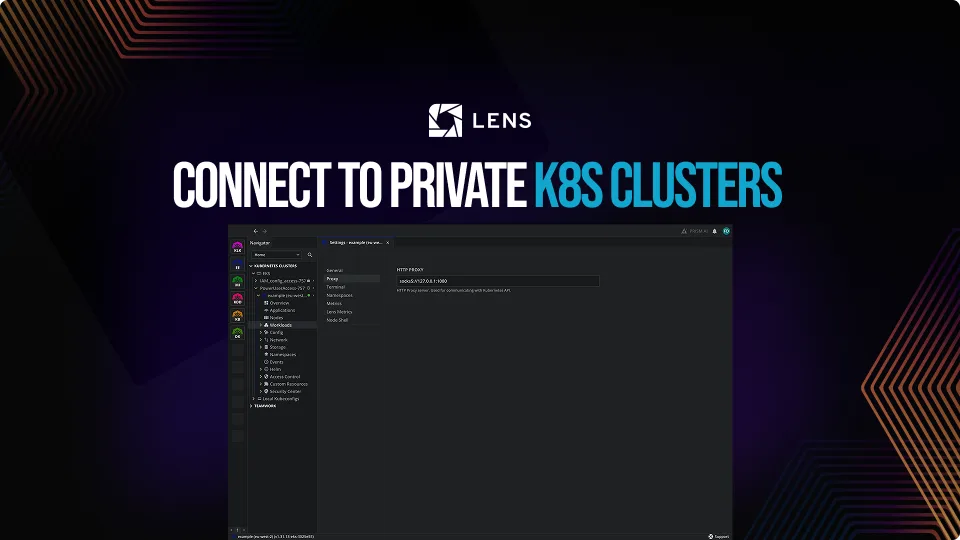
When you are working with Kubernetes in production, security best practices dictate that your cluster's API server should not be exposed to the public internet.
Flavius Dinu6 min read
Most organizations lack unified visibility into how their AI systems actually behave. This post explores the organizational visibility gap that probabilistic LLM systems create and the Observe, Understand, Improve loop that closes it.
Miska Kaipiainen5 min read
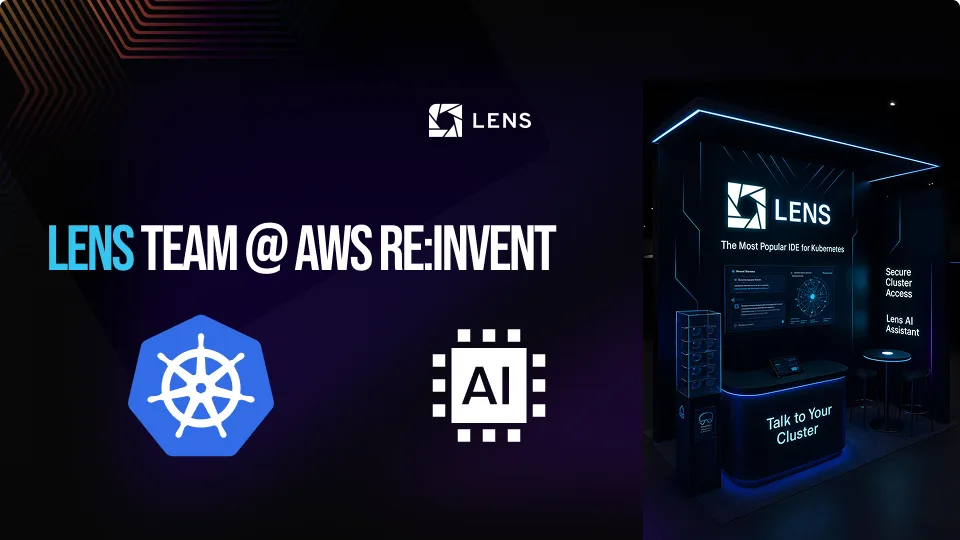
The Lens team will be on-site at AWS re:Invent 2025, showcasing Lens Kubernetes IDE, Lens Loop, and Lens Prism at Booth #687, plus hosting an exclusive happy hour event.
Flavius Dinu2 min read
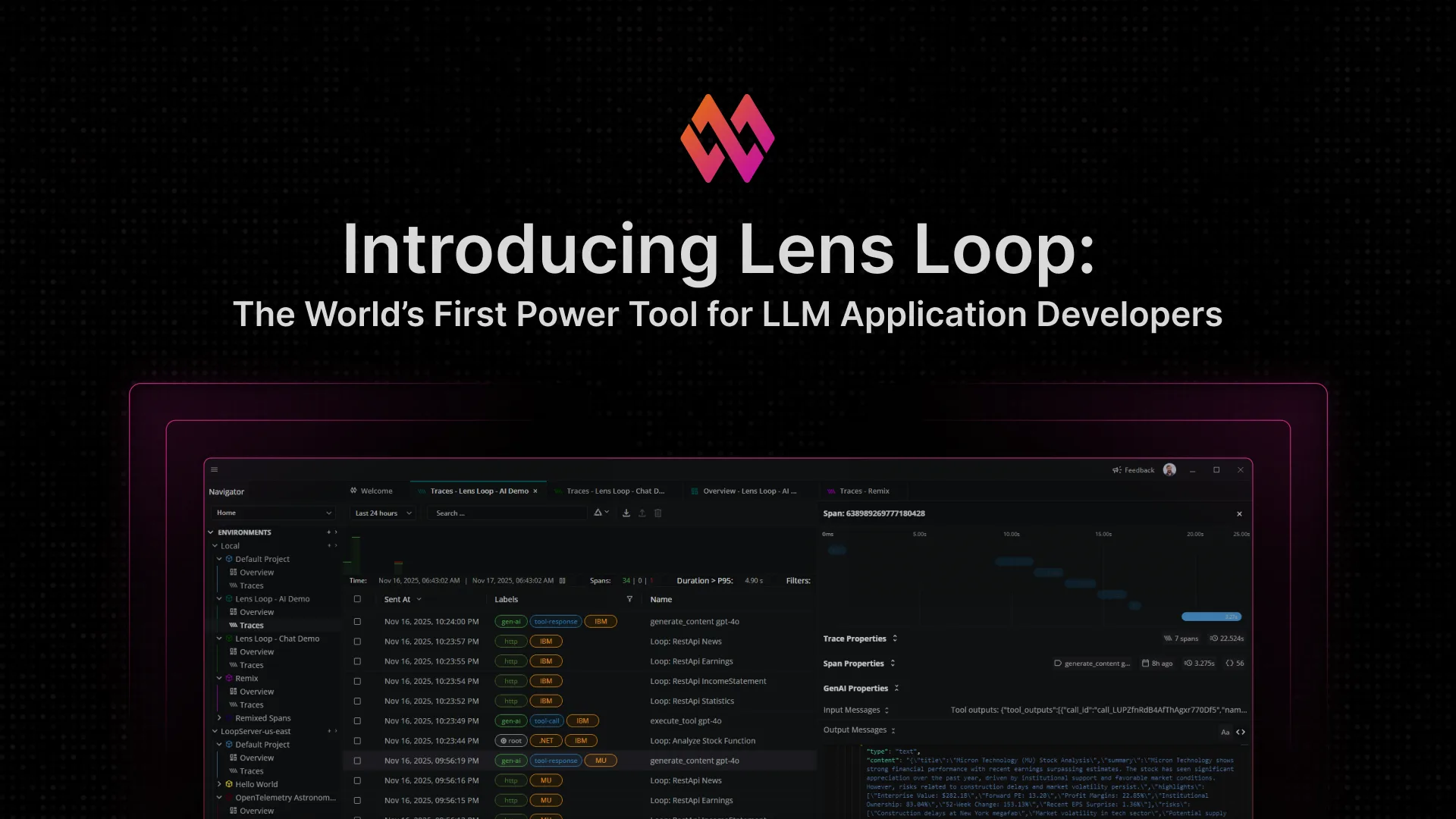
The first IDE purpose-built for observing, debugging, and improving LLM-powered applications. Powered by OpenTelemetry, Loop gives you full visibility into every model call so you can ship AI features with confidence instead of guesswork.
Miska Kaipiainen4 min read
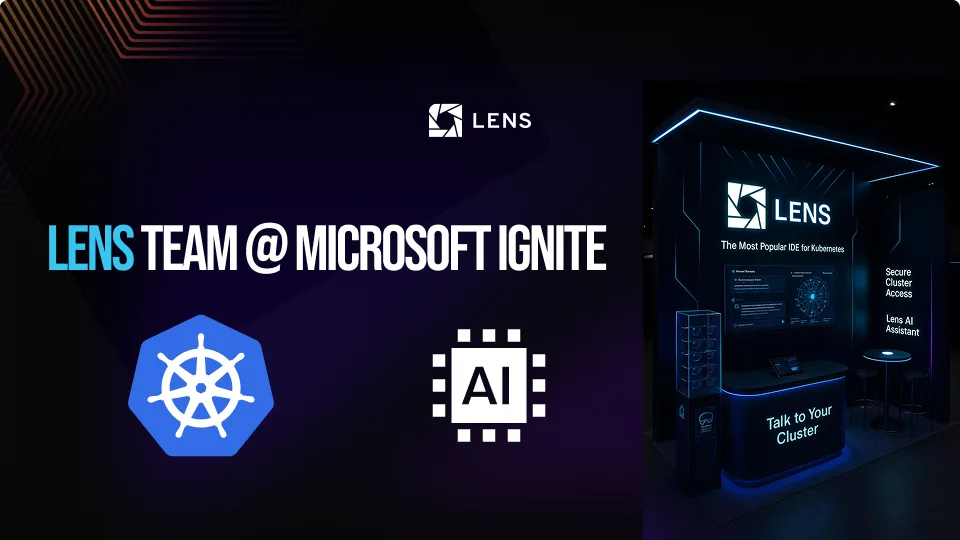
The Lens team will be on-site at Microsoft Ignite, ready to connect with our community. Visit us at Booth #5338 on the expo floor to discuss the latest developments in Lens Kubernetes IDE and Lens Prism, our new AI assistant.
Flavius Dinu3 min read
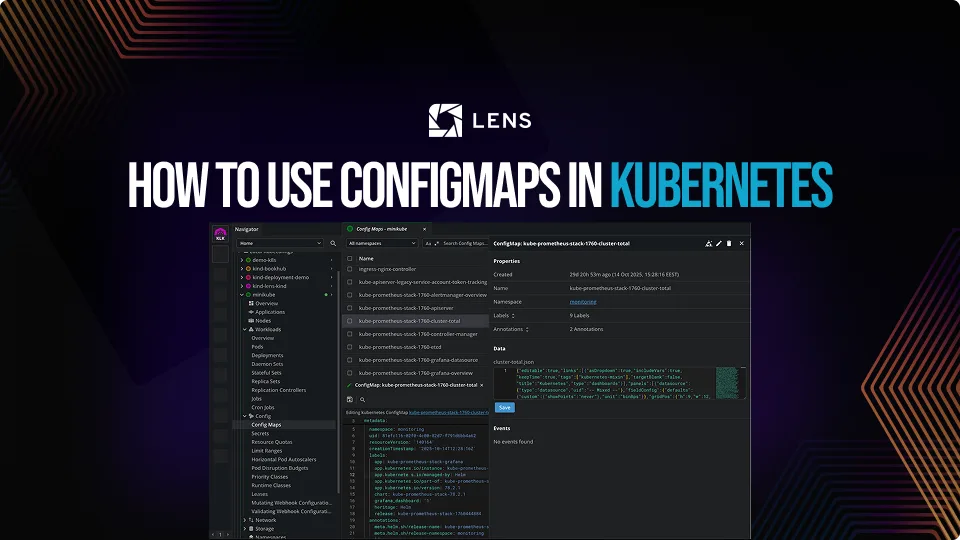
Managing multiple application configurations in Kubernetes can be inconvenient. This guide walks through everything needed to understand Kubernetes ConfigMaps, from basics to practical implementation strategies.
Flavius Dinu7 min read
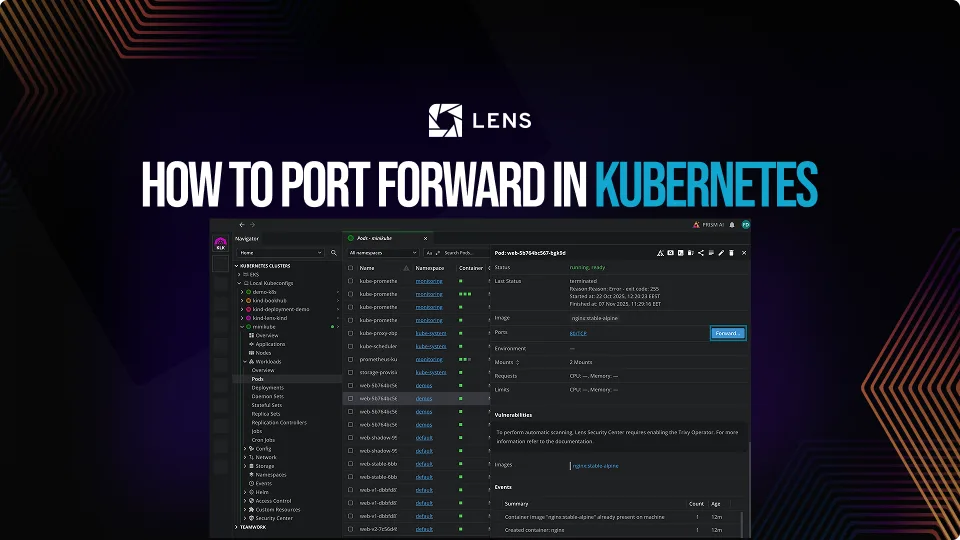
Port forwarding is a powerful Kubernetes feature that helps you debug applications, test connections, and access internal dashboards without modifying cluster network configuration.
Flavius Dinu7 min read
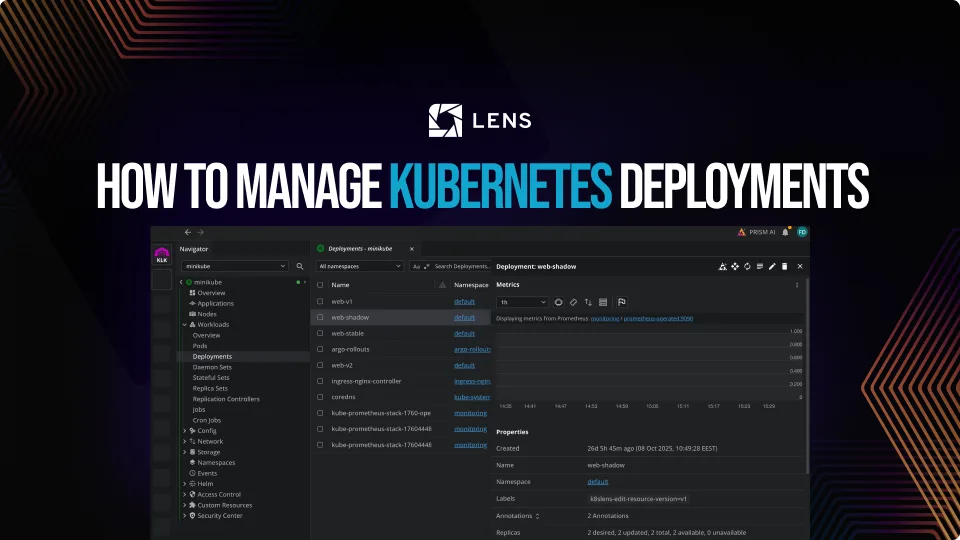
Managing Kubernetes deployments involves handling pods, replicas, and updates. This guide walks through essential deployment management tasks you'll encounter in practice.
Flavius Dinu6 min read
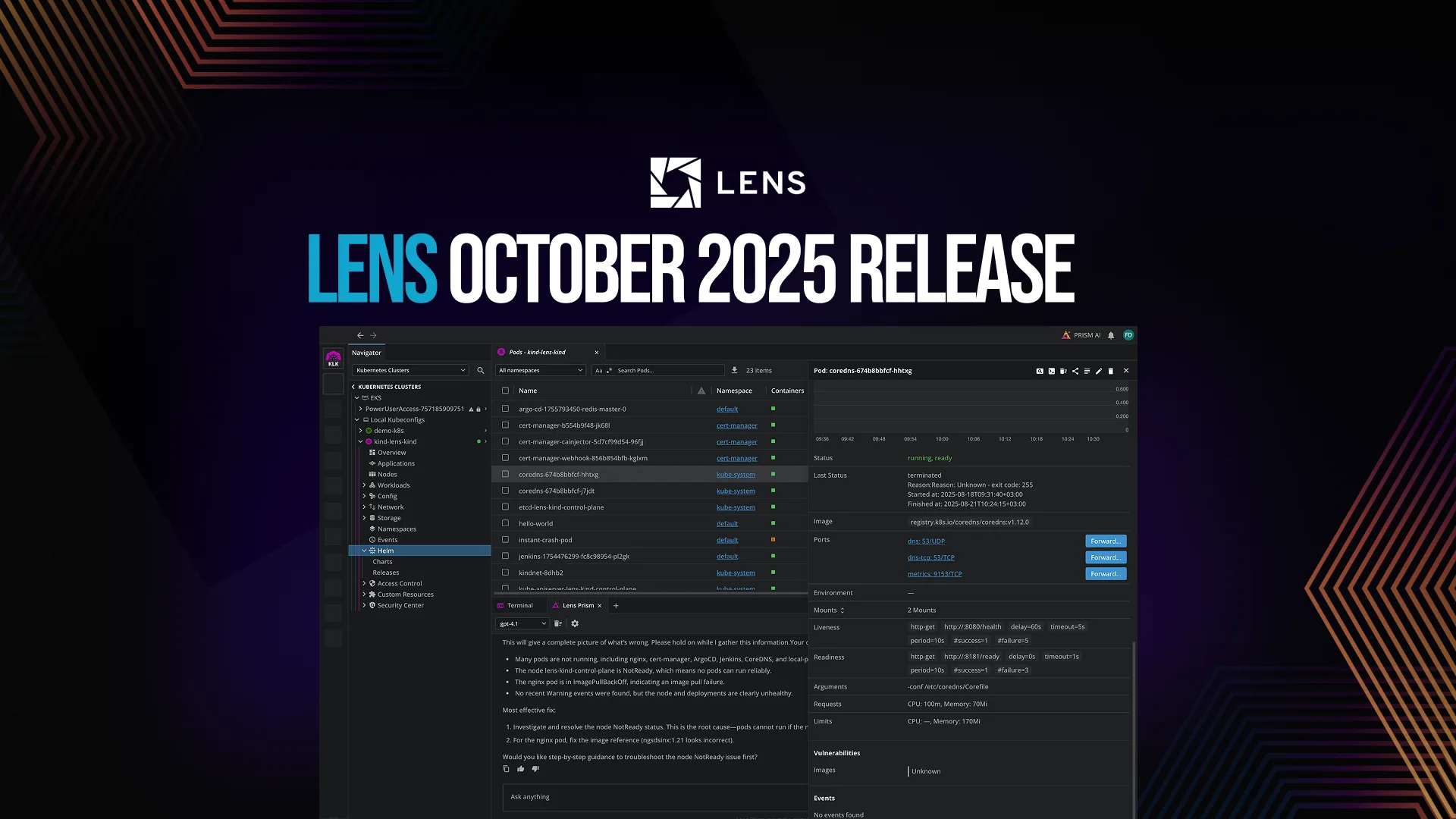
We are proud to announce a new stable release of Lens Desktop that features major improvements to Lens Prism, along with enhancements to AWS EKS integration and the log viewer.
Flavius Dinu3 min read
Monitoring your Kubernetes clusters is a mandatory step, but the process doesn't have to be intimidating. This tutorial walks through setting up Prometheus with Grafana dashboards on a Minikube cluster and sending Slack alerts via Alertmanager.
Flavius Dinu7 min read
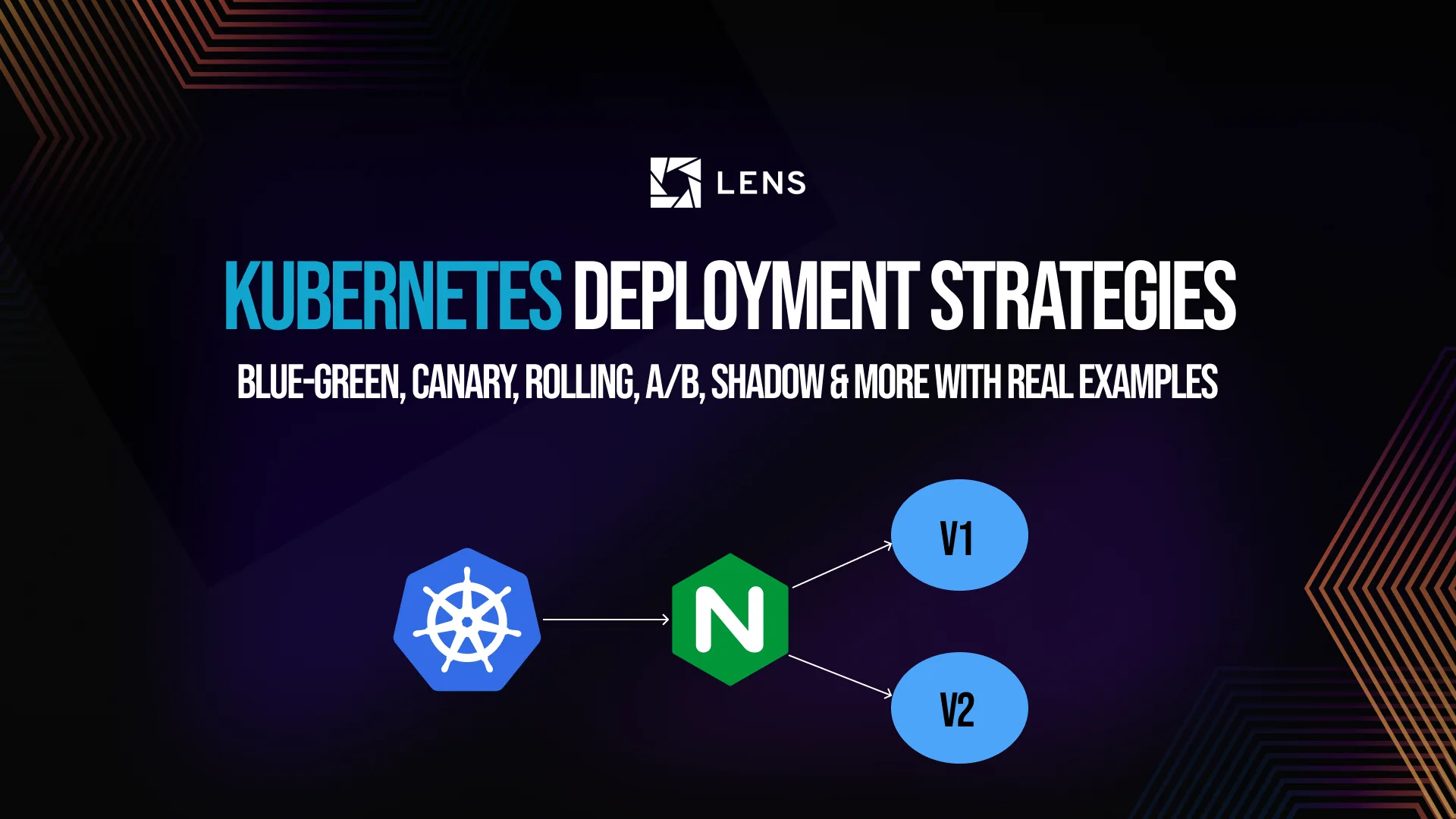
Kubernetes offers many deployment options for your applications, and what options you implement determine whether your strategy is smooth or risky. This guide walks through the most important strategies with a real, follow-along example.
Flavius Dinu12 min read
Managing Kubernetes, especially in enterprise environments, has outpaced what most humans can manage manually. AI tools powered by ChatGPT, Claude, and AI agents can help reduce operational risk and make systems reliable.
Flavius Dinu8 min read
Kubernetes has transformed how organizations deploy and scale applications. This guide explores the top 15 use cases where Kubernetes excels, from microservices management to AI workloads, and when simpler alternatives may be more appropriate.
Flavius Dinu15 min read
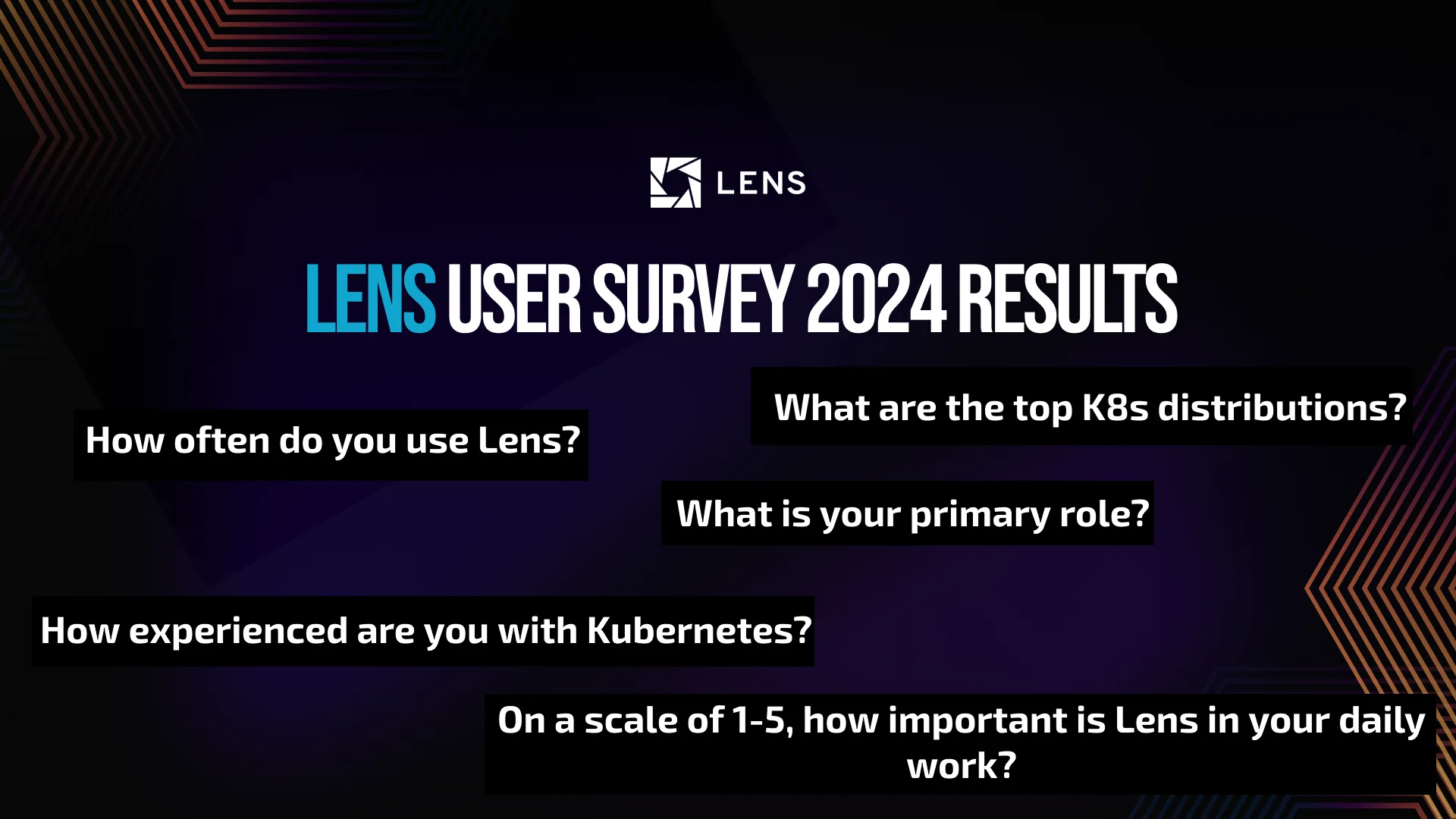
At Lens we care deeply about our community, and as we prepare the launch of a new annual user survey, we want to share last year's results and how they've influenced our experience over the past year.
Flavius Dinu16 min read
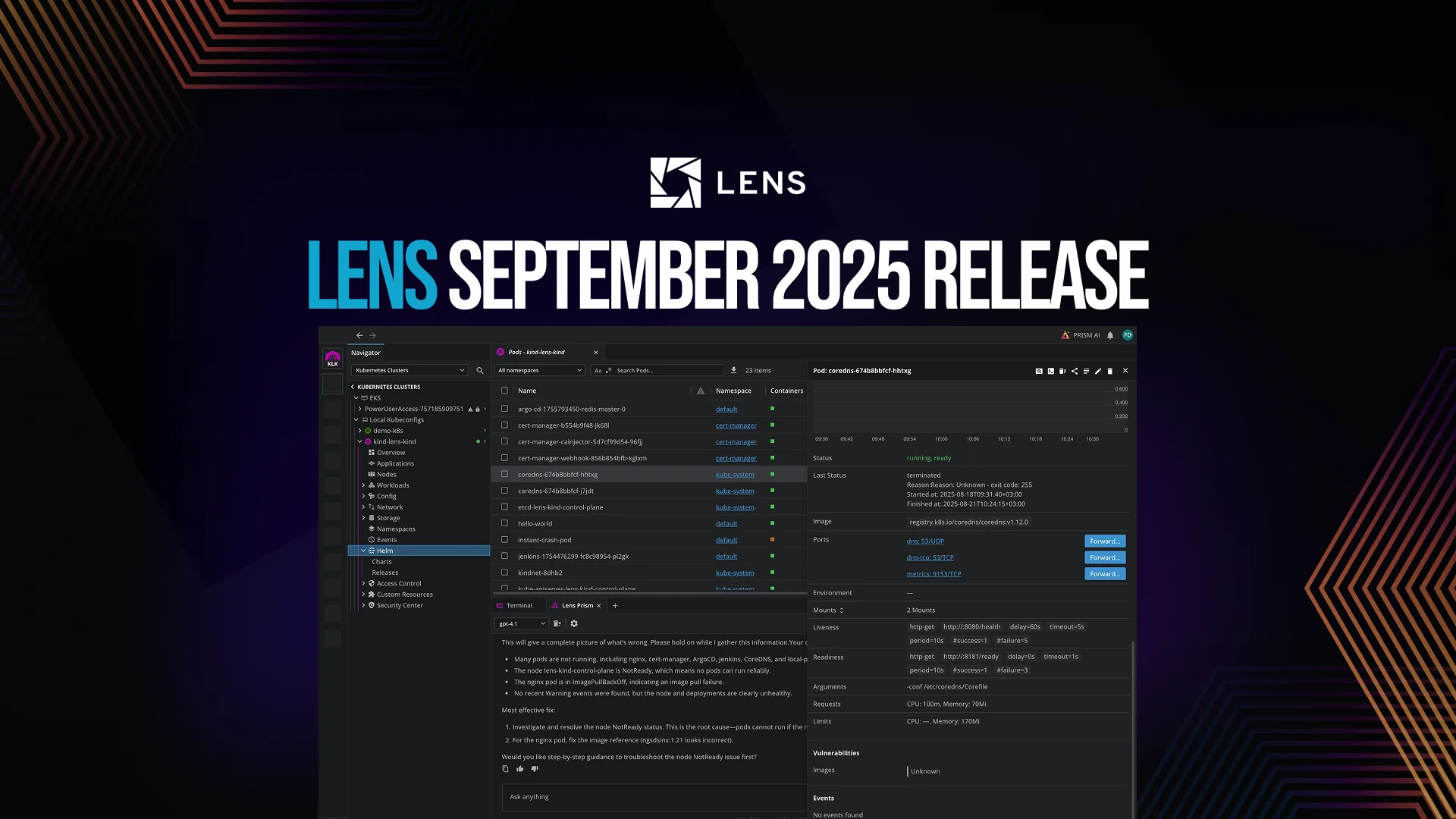
A new stable release of Lens Desktop featuring improvements to Lens Prism and AWS EKS integration, with UX enhancements and bug fixes.
Flavius Dinu3 min read
Kubernetes is flexible, scalable and powerful, but without the right tools, running it in production environments can quickly turn into chaos.
Flavius Dinu14 min read
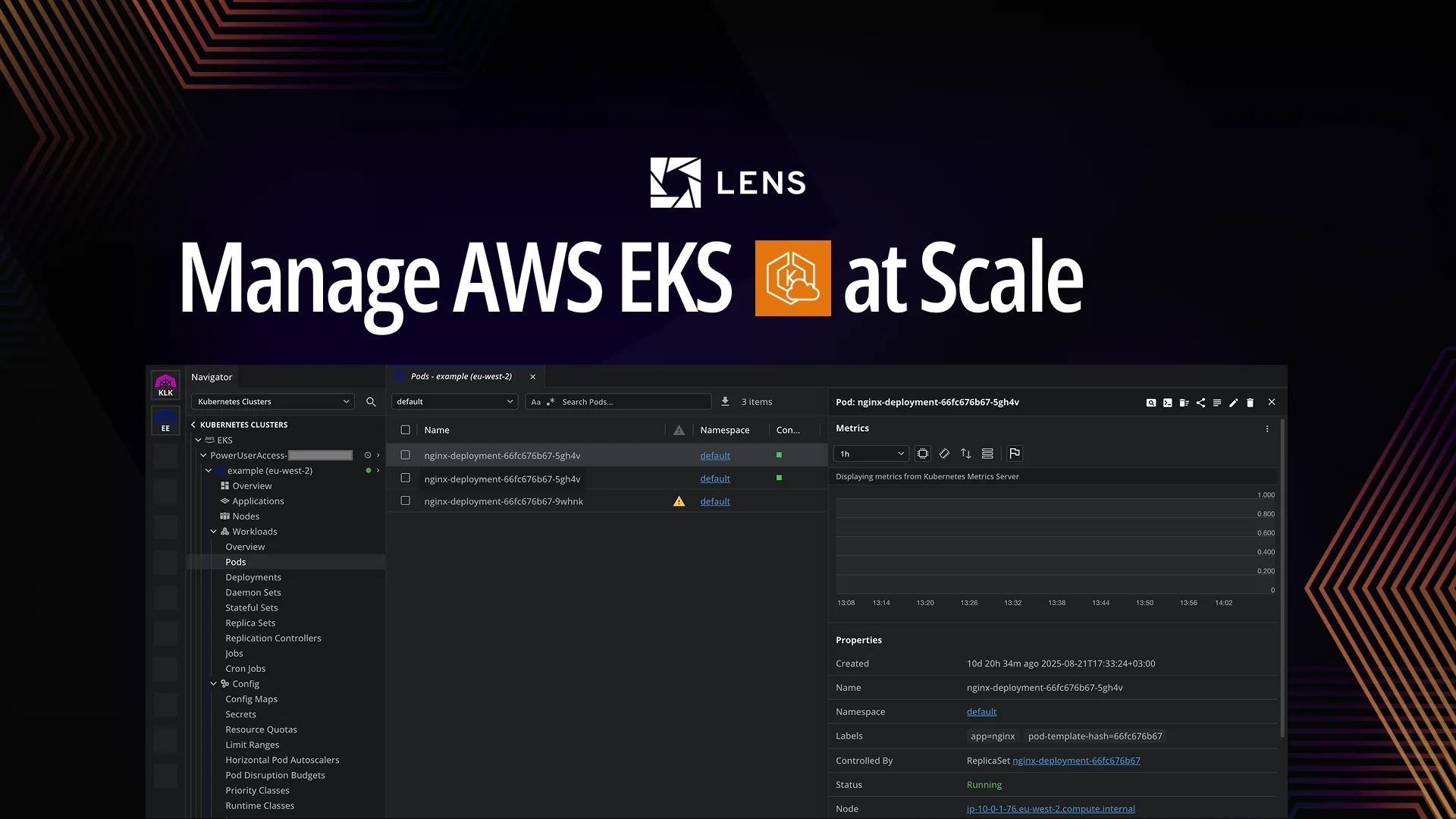
Running Kubernetes (K8s) clusters in Amazon Web Services (AWS) is an easy process thanks to Elastic Kubernetes Services (EKS). Managing them at scale, however, is an entirely different process as complexity starts to increase.
Flavius Dinu8 min read
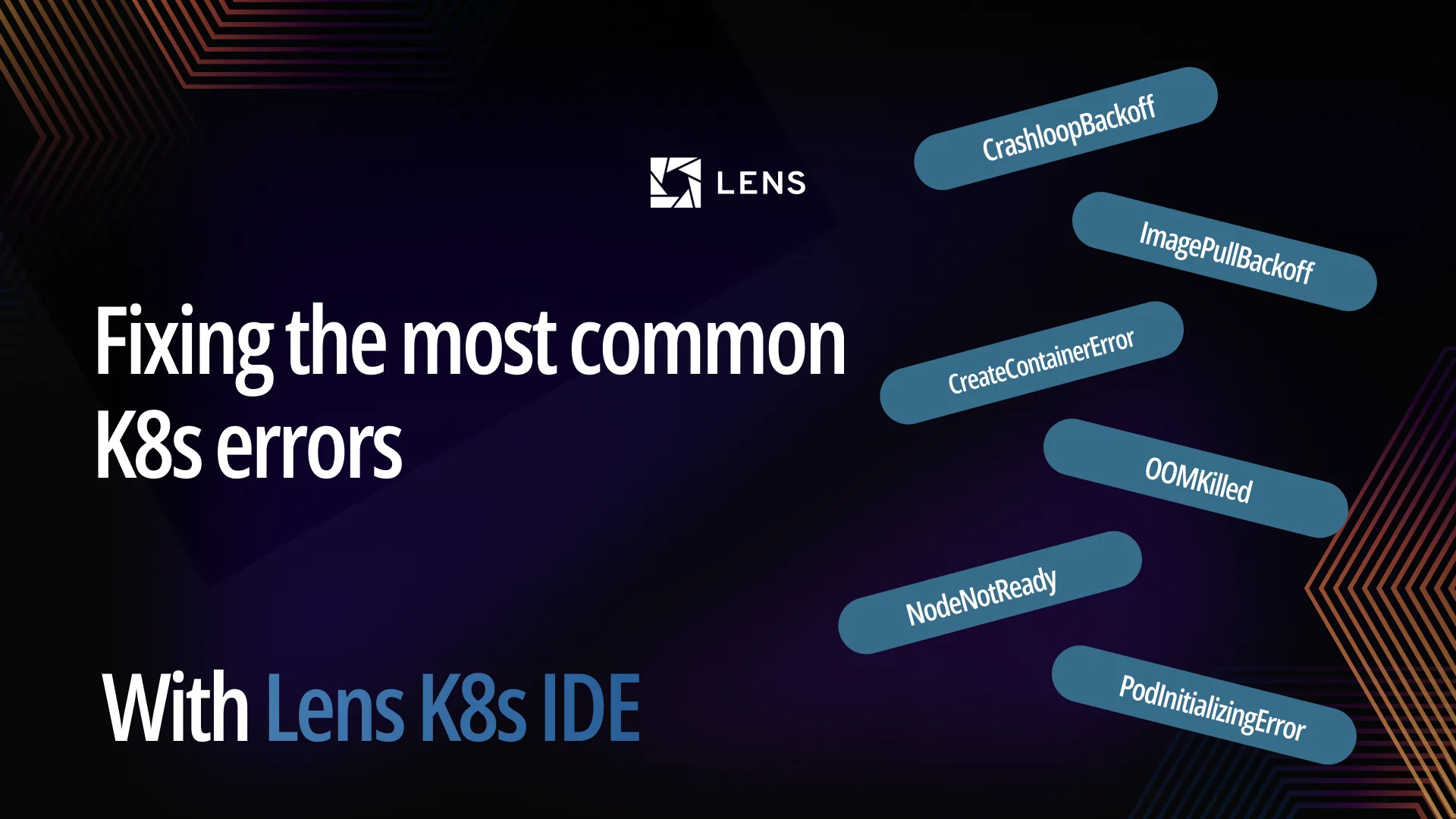
Managing Kubernetes at scale can quickly become cumbersome. Learn the most common Kubernetes errors and how to fix them fast with Lens and Lens Prism.
Flavius Dinu13 min read
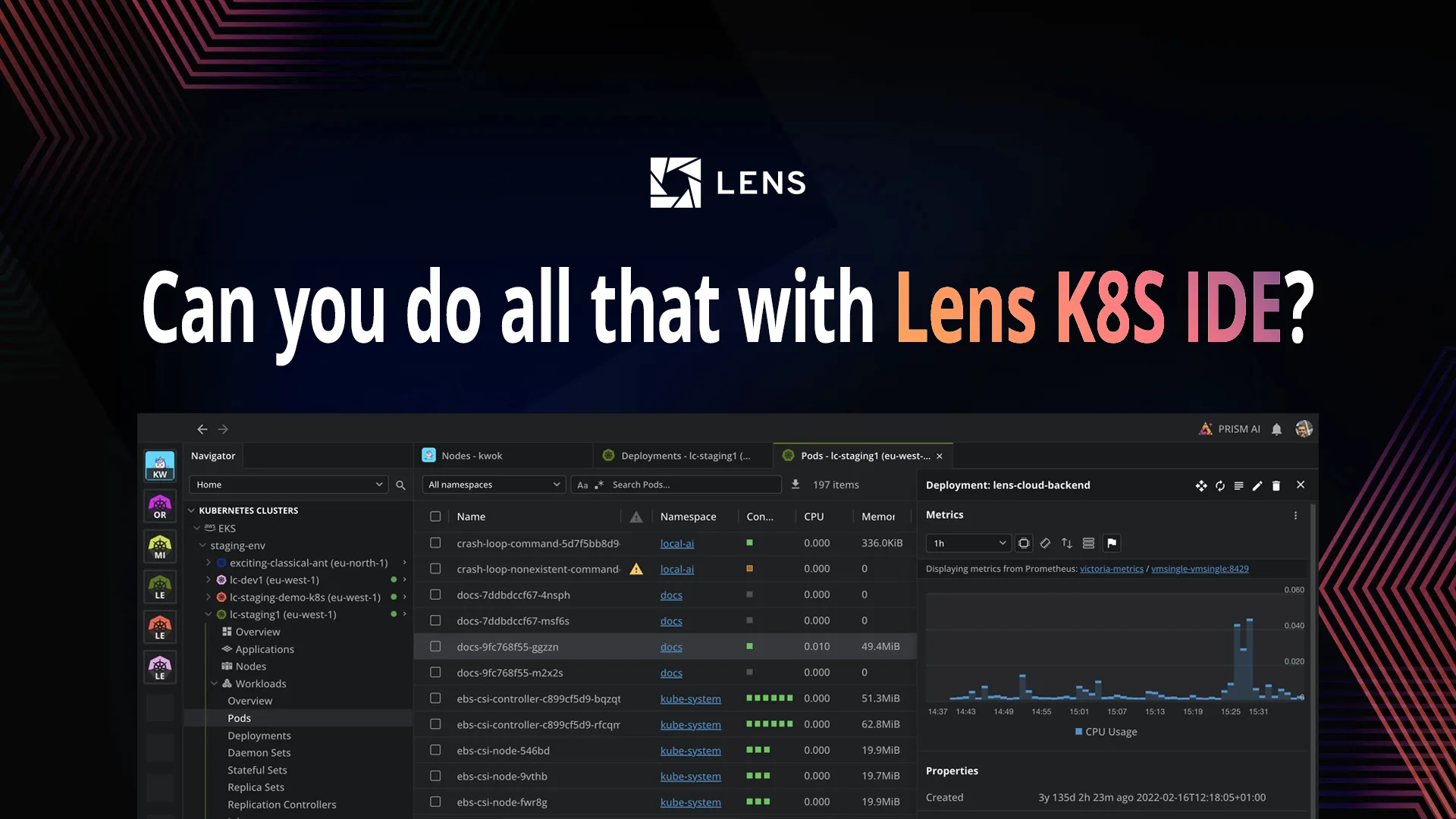
Managing Kubernetes clusters at scale can be an overwhelming process. Lens - The Kubernetes IDE removes the friction by offering a visual, real-time interface for troubleshooting, monitoring, and inspecting your clusters at scale.
Flavius Dinu14 min read
Lens already makes working with Kubernetes clusters easier. Now, we're removing one of the biggest roadblocks in the onboarding journey: connecting to your AWS EKS clusters.
Miska Kaipiainen4 min read
Lens Prism brings a context-aware AI assistant into the Kubernetes IDE, plus one-click AWS EKS integration — so you can talk to your clusters instead of memorizing kubectl.
Miska Kaipiainen7 min read
Lens has grown to serve over a million users with diverse use cases. We've redesigned our pricing structure to better align with real-world needs across individuals and organizations.
Miska Kaipiainen4 min read
Two-Factor Authentication (2FA) is now available for every Lens ID account, adding a time-based one-time passcode check on top of your password for enhanced security.
Lauri Nevala1 min read
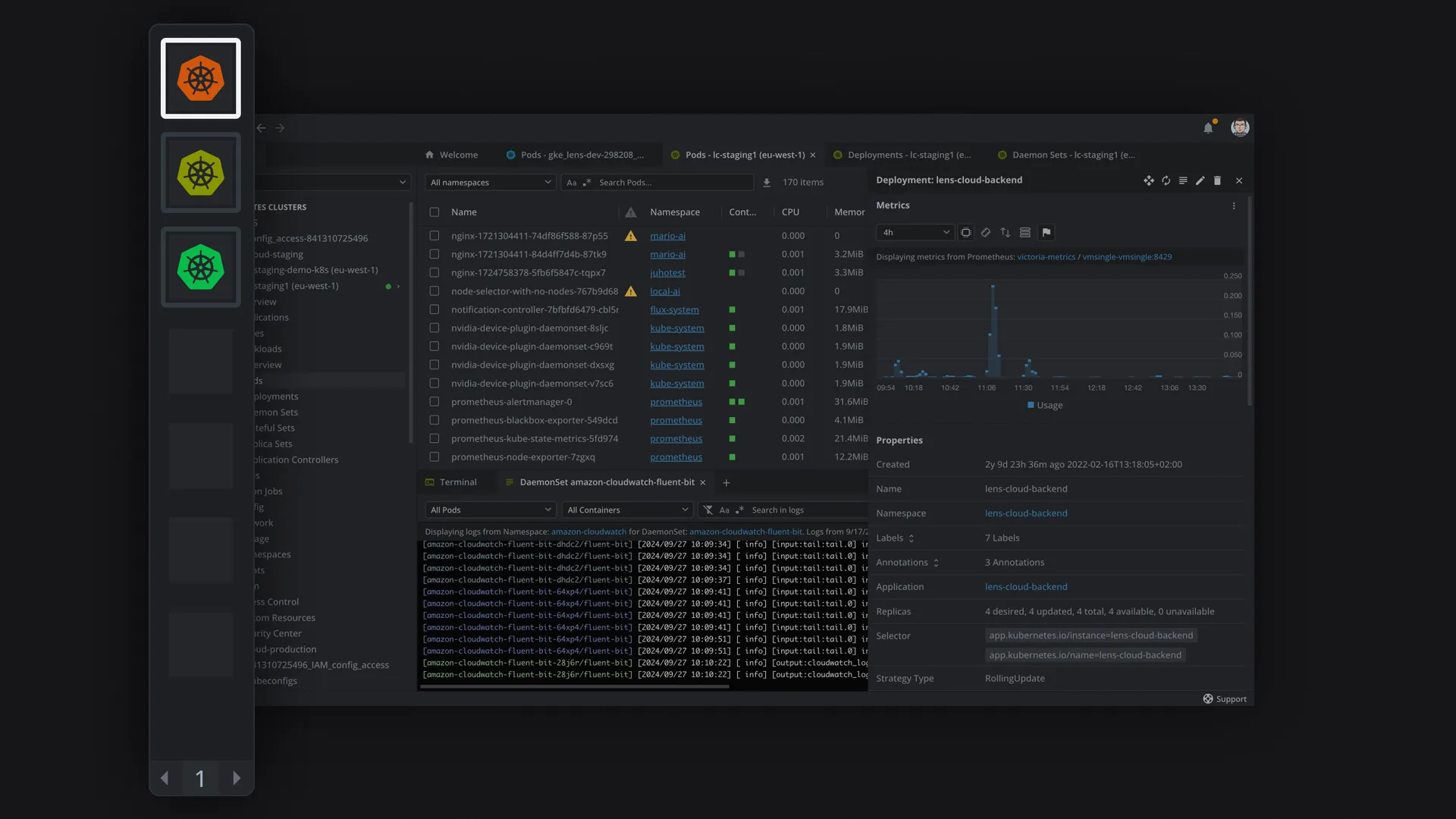
We're excited to announce the latest release of Lens Desktop, bringing back one of the most beloved features of all time - Hotbar - stronger and more powerful than ever.
Miska Kaipiainen4 min read
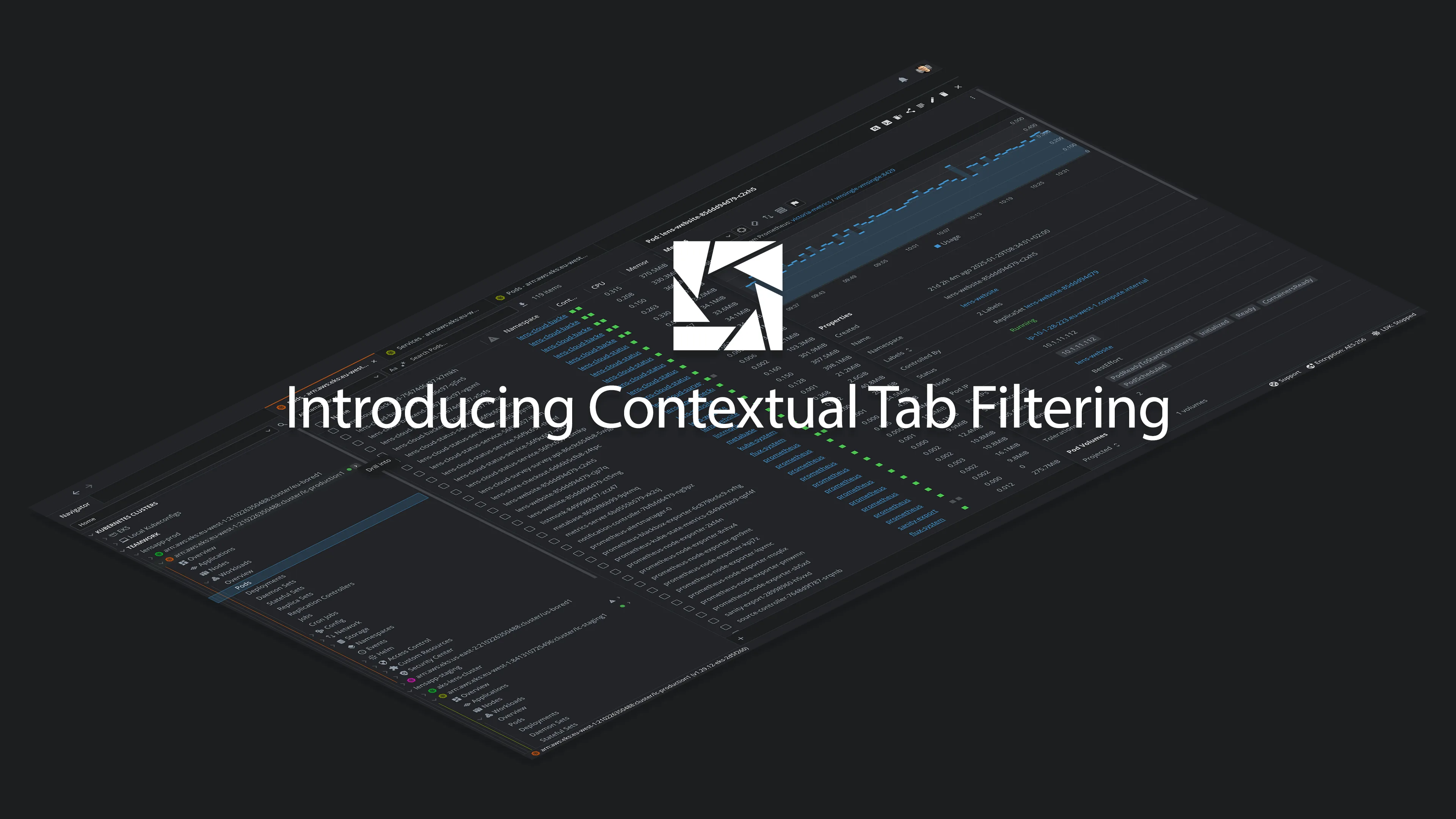
This update introduces Contextual Tab Filtering, a feature designed to help you stay organized while managing multiple clusters by ensuring only tabs relevant to your current context remain visible.
Miska Kaipiainen3 min read

The team reflects on 2023 survey results and their impact on Lens development, highlighting how user feedback shaped the product while introducing a new 2024 survey to guide future improvements.
Miska Kaipiainen17 min read

In the world of software development, it's often said that what gets measured gets managed. But at Lens, we're not interested in just managing—we're aiming to redefine how teams can push the boundaries of what's possible with Kubernetes.
Mario Sarcher4 min read
With over a million individual users and 50,000 organizations using Lens, the latest version introduces a host of enhancements that transform how you interact with Kubernetes, making management more intuitive and efficient.
Miska Kaipiainen6 min read

Lens Desktop, the world's most popular Kubernetes IDE with over 1 million users, is about to take a significant leap forward. The modernization effort refreshes both design and underlying architecture to meet evolving cloud-native developer needs.
Miska Kaipiainen3 min read
Managing Kubernetes workloads efficiently is crucial for ensuring the stability and performance of your applications. Lens Desktop streamlines this process, providing real-time insights and control over your Kubernetes environments.
Daiani Macedo4 min read

Adding your Kubernetes cluster to Lens is a straightforward process that enables you to manage and monitor your workloads with ease.
Daiani Macedo4 min read

After an intense period of development, involving more than 1,800 commits and changes to over 5,000 files, we are thrilled to announce that the most substantial update to Lens Desktop since its inception is almost here.
Miska Kaipiainen4 min read
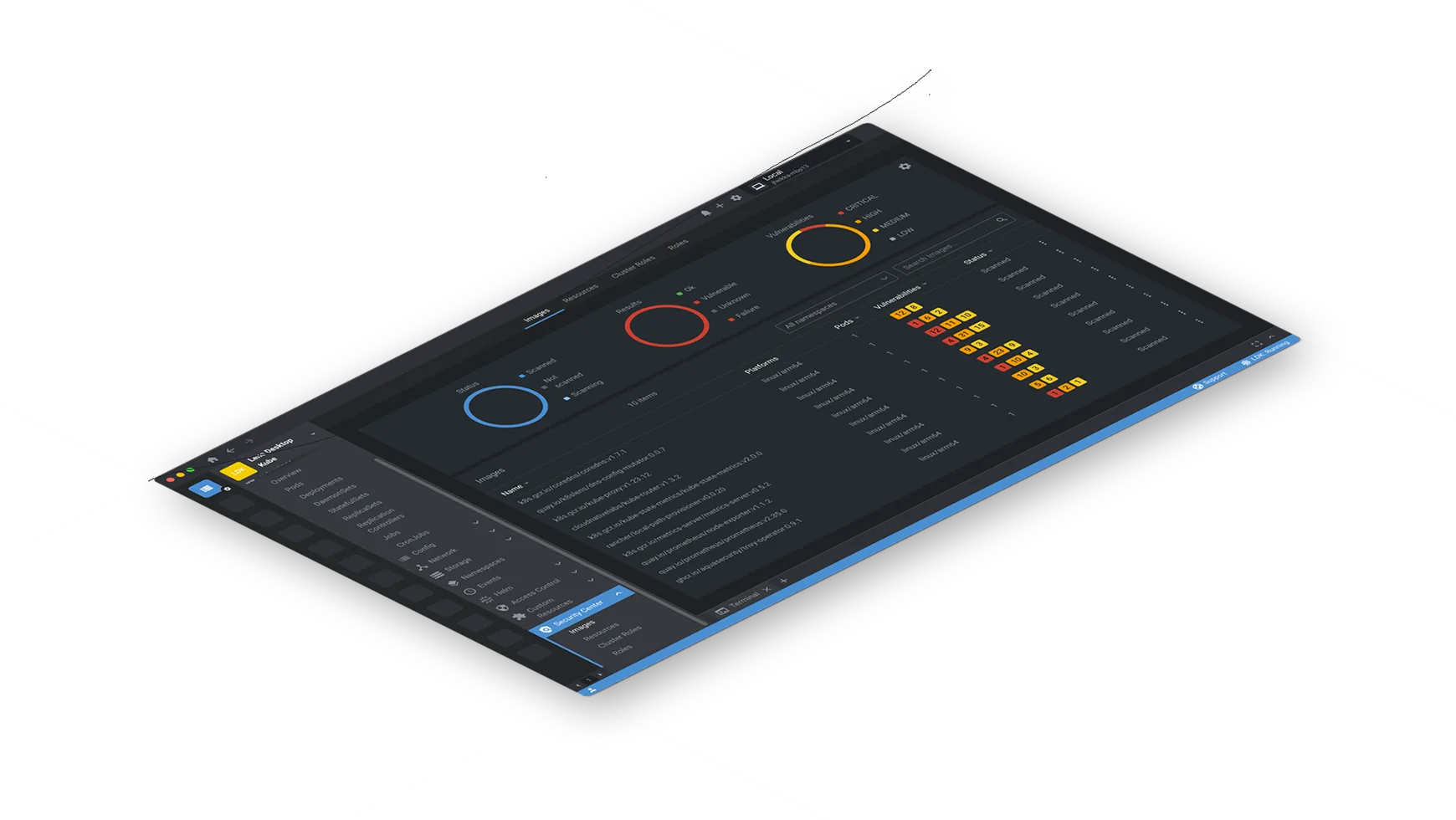
Security is of utmost importance for all organizations, and we understand that at Lens. That's why we're proud to introduce Lens Security Center, a feature that empowers Lens users to identify vulnerabilities and misconfigurations in their workloads and clusters with ease.
Lee Namba8 min read
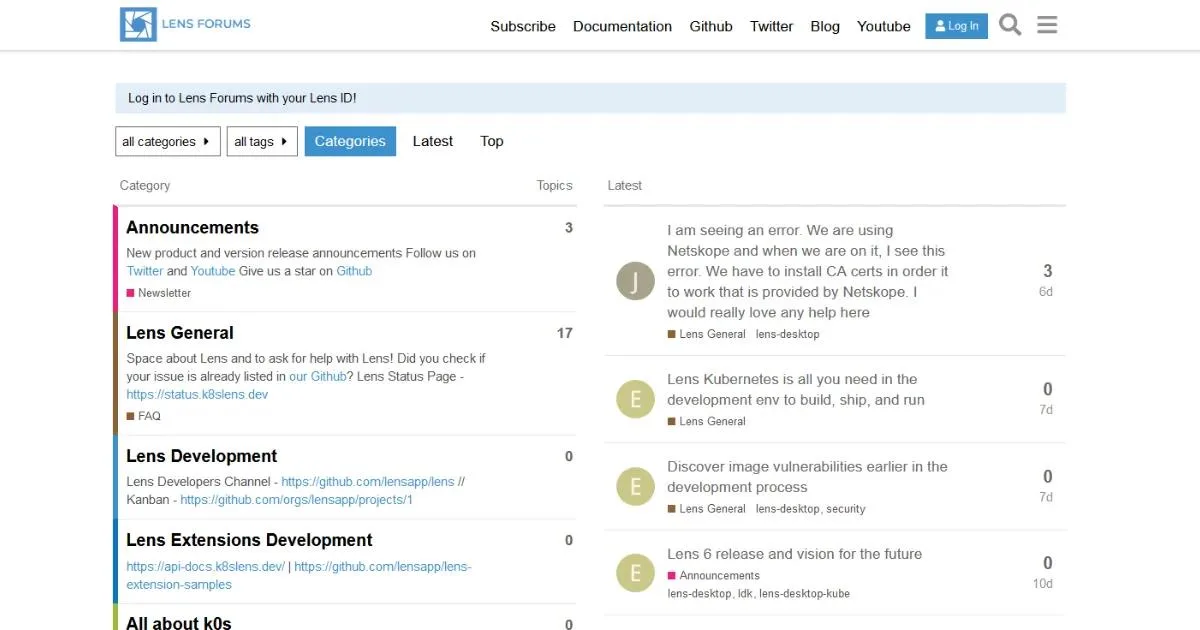
The Lens team announces a brand-new community forums platform, inviting members to discover knowledge, connect with other enthusiasts, and engage in discussions about use cases, troubleshooting, and extensions development.
Elodie Meste1 min read
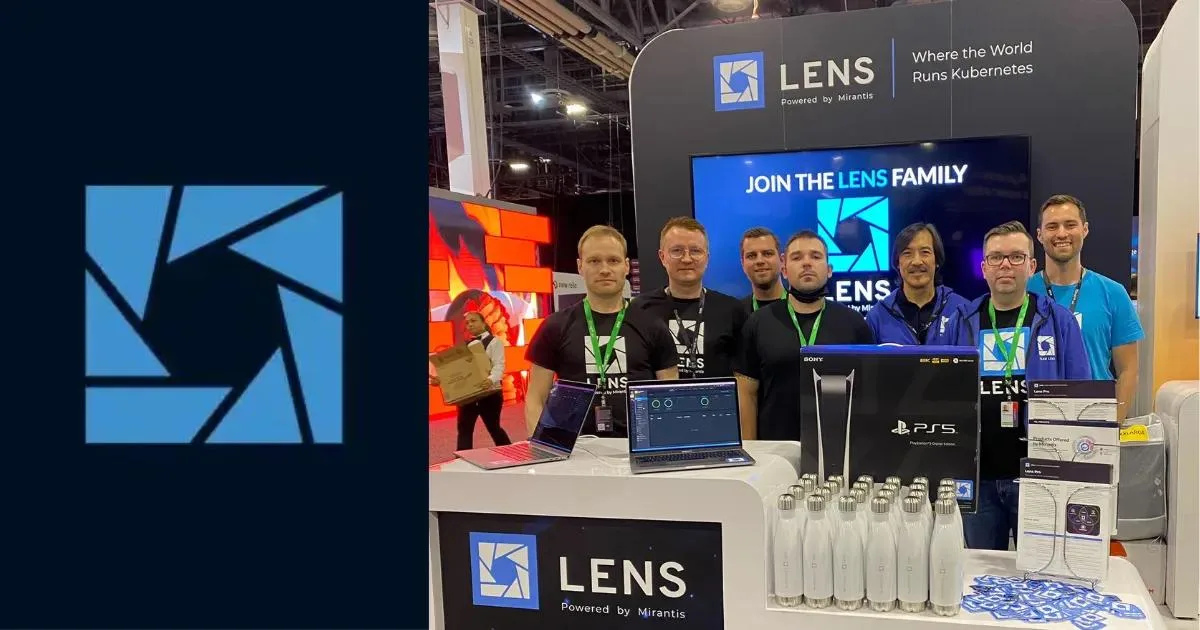
Mirantis is recruiting senior engineers to help advance Lens, the leading IDE for Kubernetes, used by over 700k DevOps professionals. Join the Lens revolution and shape the future of Kubernetes development!
Elodie Meste2 min read

Security is the number one priority for most organizations, and Lens has moved to a modern continuous update model so users always have the latest security fixes automatically applied in the background.
Miska Kaipiainen4 min read
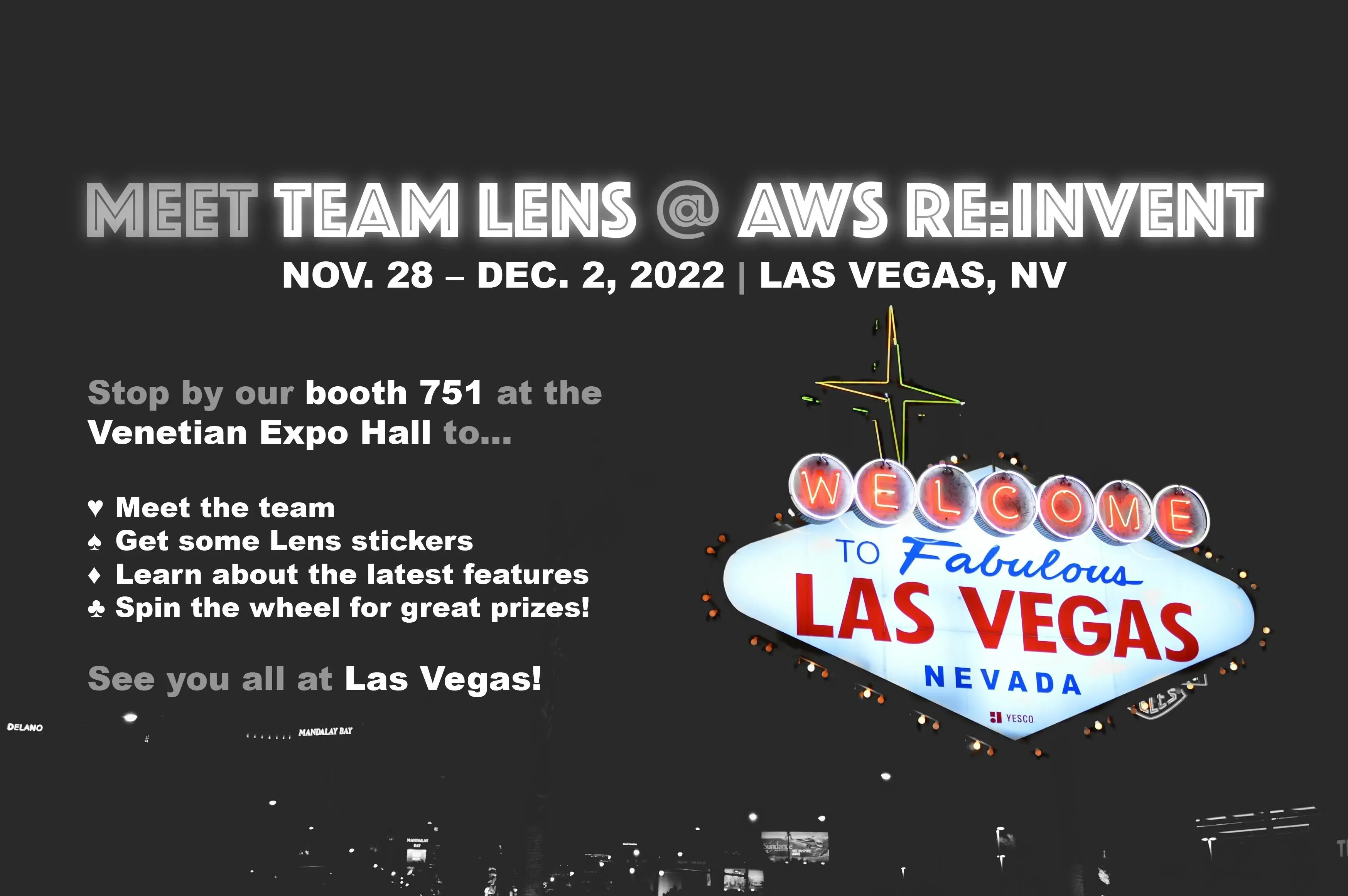
Team Lens of Mirantis, creators of Lens, the world's most popular Kubernetes IDE, will be at AWS re:Invent (Nov 28 to Dec 2, 2022), one of the year's biggest technology events.
Elodie Meste1 min read
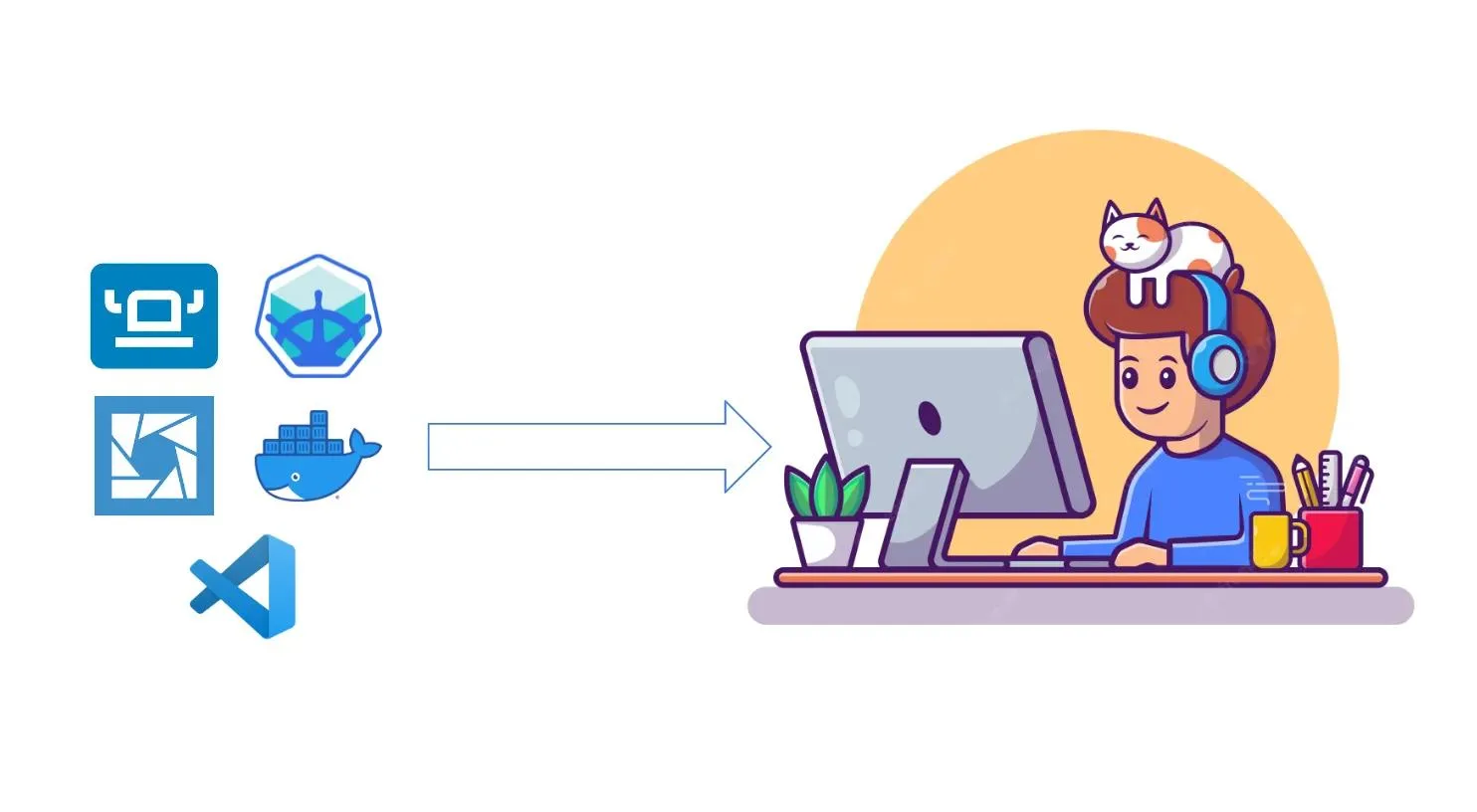
How containers and Kubernetes let developers build, ship, and run cloud-native applications, and how the Lens Desktop Kube feature in Lens 6 consolidates many developer tools into one to reduce complexity.
Elodie Meste1 min read
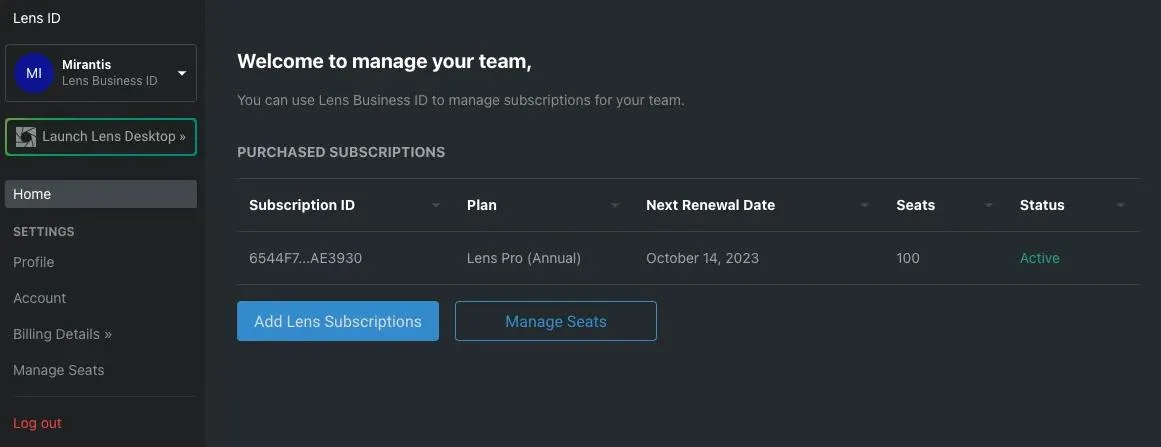
Lens Business ID is designed to make purchasing and managing multiple Lens subscriptions as easy as possible for larger teams, businesses and organizations.
Elodie Meste1 min read
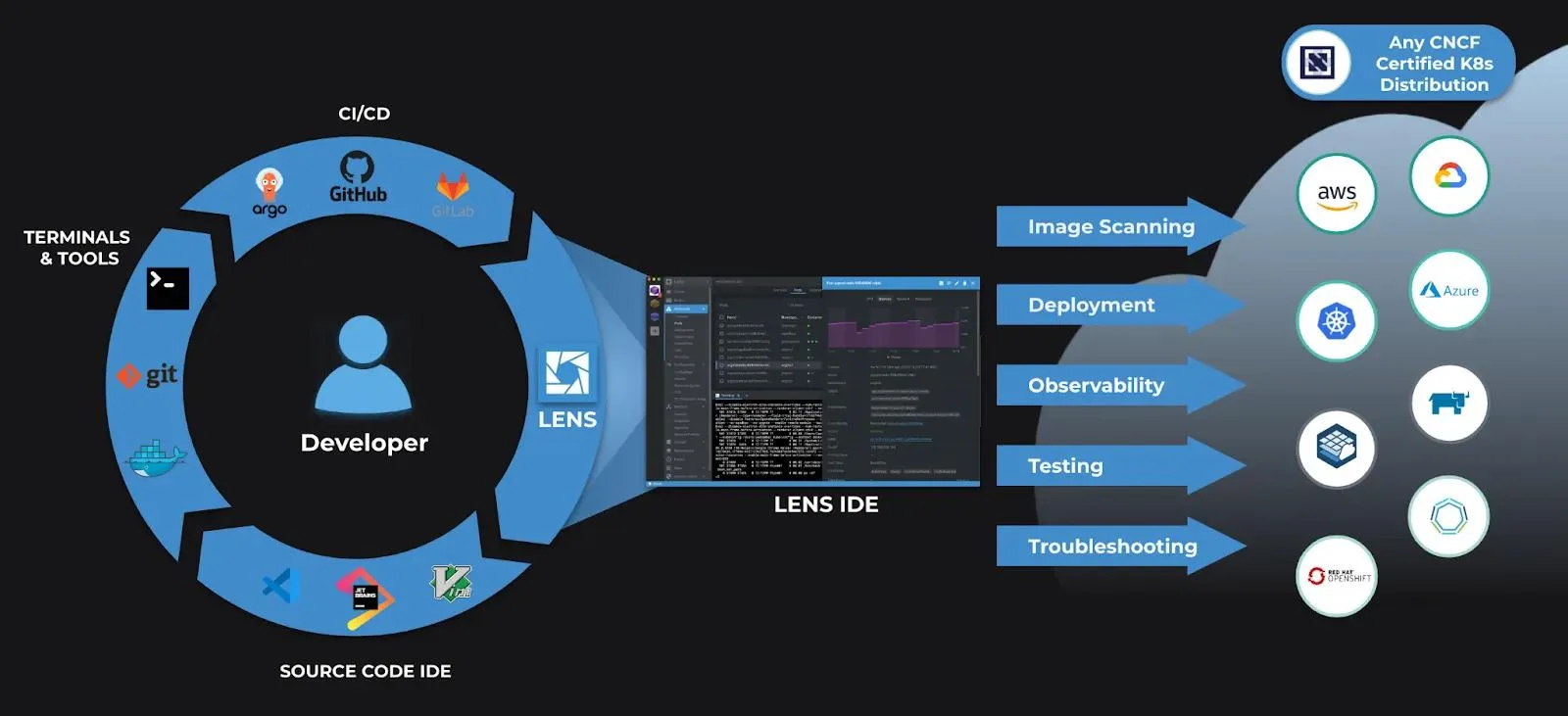
Containers and Kubernetes changed how we build, deploy, and run applications, yet getting started with Kubernetes development and daily cluster interactions remains extremely complex. This post walks through the typical developer workflow and how Lens Platform simplifies it.
Lee Namba1 min read
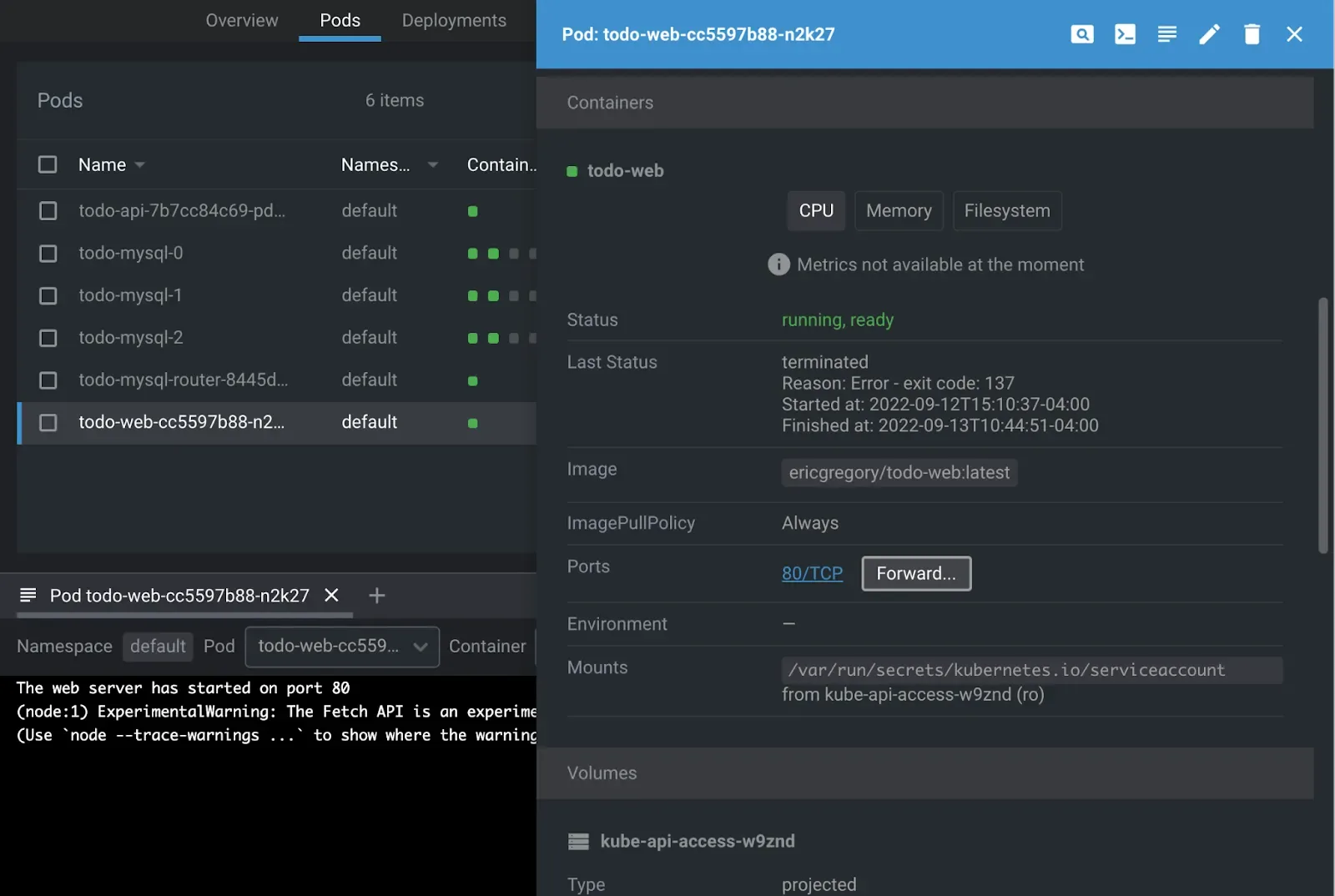
Over 750,000 users and many thousands of organizations rely on Lens to interact with Kubernetes clusters. Even experienced users may not have discovered every feature Lens has to offer.
Lee Namba1 min read